From the Sobu line platforms two storeys above Chuo-dori, Akihabara looks like one solid wall of signage. At street level it is much smaller than that: roughly four blocks deep, where a ten-floor building can hold thirty shops and the stairwell between them is the width of one person. September is the last month of the year that the main street is handed over to pedestrians, so it is a month to plan around rather than wander into.
What you are actually looking at
Akihabara is a working retail district, not an attraction with a gate. Everything is measured from the Electric Town Exit of JR Akihabara Station, on the west side, and almost nothing you want is more than seven minutes' walk from it. Chuo-dori runs north to south through the middle; the used-goods and figure shops cluster on and just off it, the component stalls sit underneath the railway viaduct, and the quieter end of the district is under the tracks heading north.
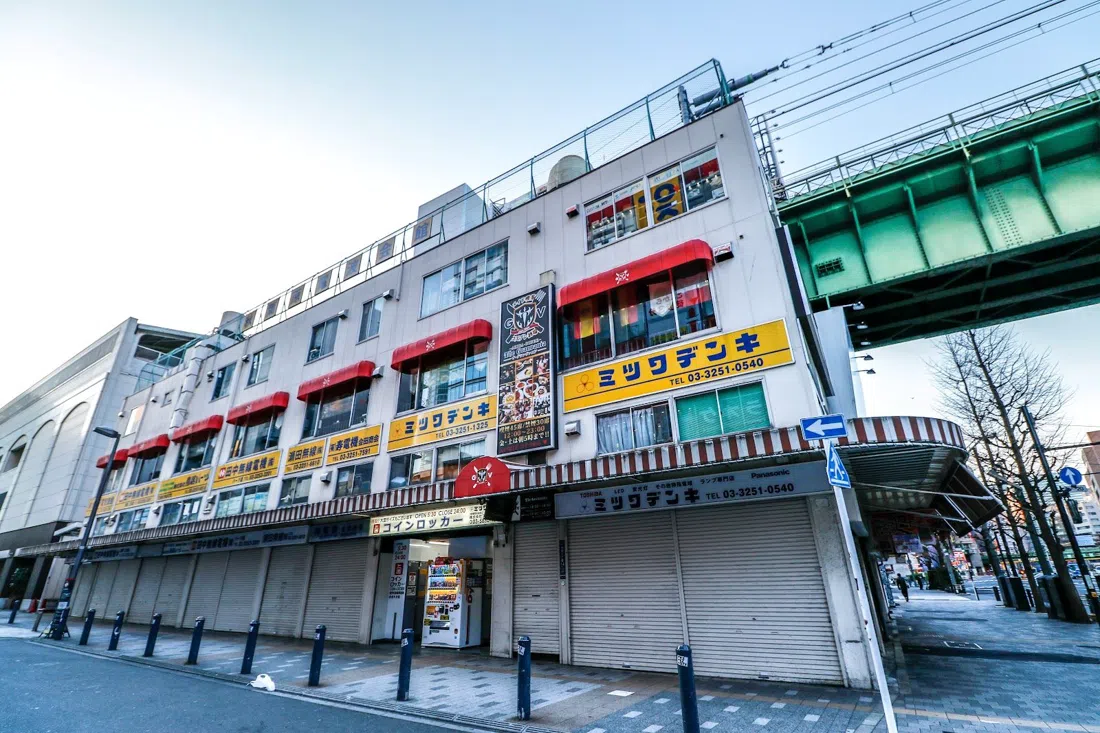
Start with the oldest thing there. Akihabara Radio Center (under the JR tracks, Sotokanda) is where Electric Town started, under the 1949 decree that swept black-market radio stalls beneath the viaduct, and it still trades in electronic components, with parts from ¥10. It opens roughly 10:00–19:00, entry is free, and the passages fit two people abreast, so a group has to filter through in pairs rather than move as a block. Some stallholders will say no to photographs. Ask, or keep the phone down.
Thirty seconds away, Akihabara Radio Kaikan (Sotokanda, one minute from the Electric Town Exit) is the single best one-building sampler of the district: about 30 shops over 10 floors, including AmiAmi, K-BOOKS, Kaiyodo Hobby Lobby, Yellow Submarine and several card shops, generally 10:00–20:00. Entry is free; figures run from ¥1,000 to ¥50,000 and well beyond. The lifts and stairwells are tight, so if you are more than three or four people, split up on arrival and agree a floor and a time to regroup. Trying to keep six people together on those stairs is how an hour disappears.
The Sunday street and the September deadline
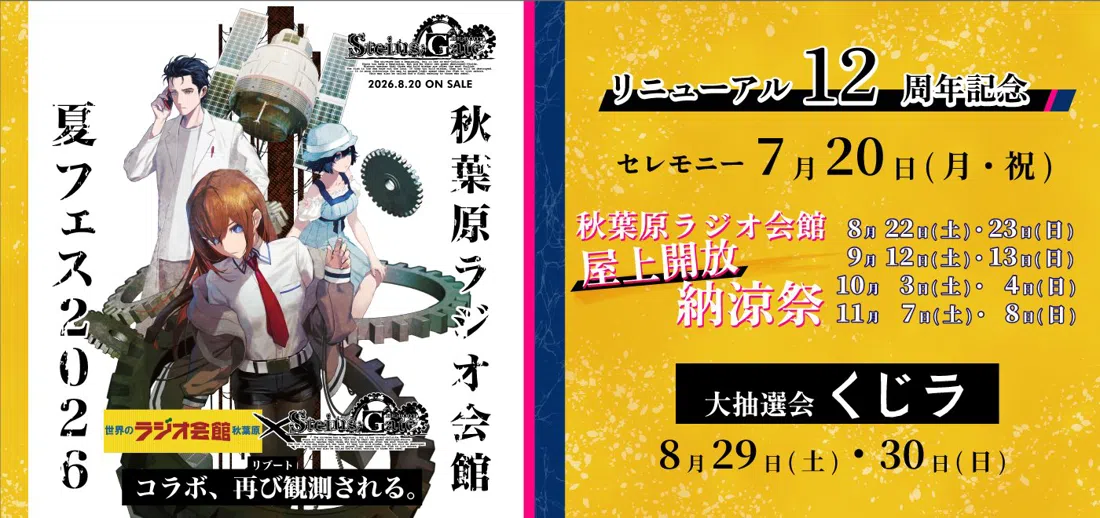
Akihabara Electric Town and the Chuo-dori Hokoten (Sotokanda, the main street itself) is the free, open-air version of the district and the easiest place to hold a group together. Roughly 570 metres of Chuo-dori, from the Sotokanda crossing down toward Manseibashi, goes traffic-free on Sundays, around 13:00 to 18:00, April to September. Outside that window do not plan around it. In 2026 the last scheduled Sunday of the season is 27 September.
Two caveats. The closure can be cancelled at short notice for rain, heat alerts or a festival, and September in Tokyo still delivers all three: it is hot, humid, and inside the typhoon window. Check on the day rather than building an itinerary that collapses without it. And the street being closed does not transform the shops. What changes is that you can stand in the middle of Chuo-dori, look up the full length of it, and let a group spread out without anyone stepping backwards into traffic. That is worth timing for, and it costs nothing.
If your Sunday is cancelled, or you are there on a weekday, the shops themselves are calmer.
Before noon the district is half shut
The most common mistake is arriving at nine with a full day planned. Mandarake Complex Akihabara (Sotokanda, just off Chuo-dori) opens at 12:00 and runs to 20:00, every day. Eight themed floors of second-hand manga, figures and collectibles, from ¥100 bargain manga up to five-figure vintage pieces. Walk-in, no group limit, but the tax-free counter closes a full hour before the store does, so send anyone who intends to buy seriously up early rather than at 19:45. A noon opening is broadly typical of the used shops, so spend the morning elsewhere.
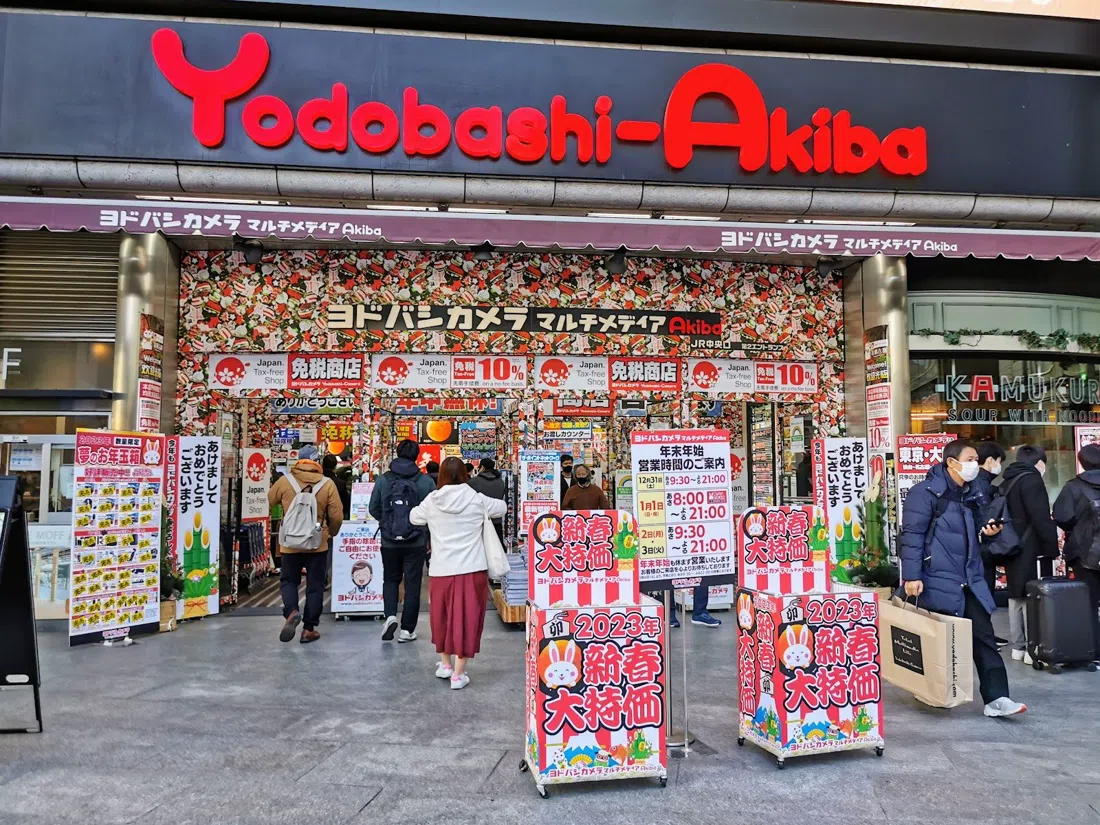
Yodobashi Camera Multimedia Akiba (Kanda-Hanaokacho, on the east side of the station) opens at 09:30 and closes at 22:00 daily, which is around two hours before most otaku shops unlock. It is Japan's largest consumer-electronics store and the district's all-weather fallback, which counts in a September downpour. Any group size works, there are tax-free counters and multilingual staff, and the 8F restaurant floor is the practical place to feed a mixed group at ¥1,000–¥2,500 a head.
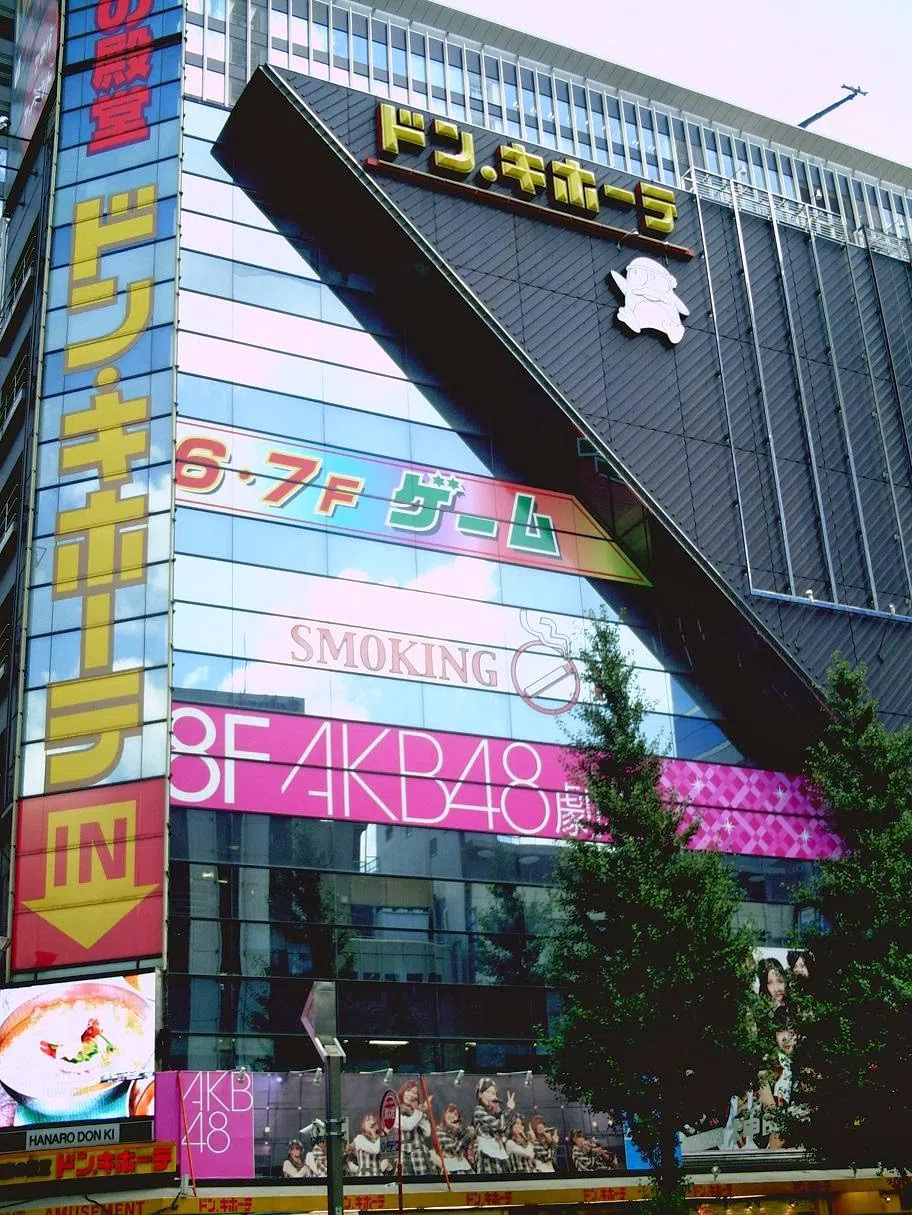
Don Quijote Akihabara (Sotokanda, on Chuo-dori) solves the same problem differently by never closing. Eight floors compress the whole district into one building: souvenirs and snacks from ¥200, a cosplay floor, a game centre on 6F–7F, a tax-free counter on 4F. Above it sits the 250-capacity AKB48 Theater. Theatre tickets go by advance lottery, so treat it as a landmark you look at rather than a queue you join.
The other morning option is to leave the neon entirely for an hour.
The shops that reward the stairs
Super Potato Akihabara (Sotokanda, near the Electric Town Exit) is the district's most photographed shop, occupying floors three to five of a skinny building. Retro carts run from ¥500 to ¥50,000; the 5F arcade charges ¥100 per play. Open daily around 11:00–20:00, from 10:00 at weekends, and the arcade floor can shut a little earlier than the shop. The aisles are single-file. Realistically that means three or four people browsing at once, with the arcade floor as the place everyone else waits. It is a shop before it is a photo opportunity, and blocking a stairwell for a picture is noticed.
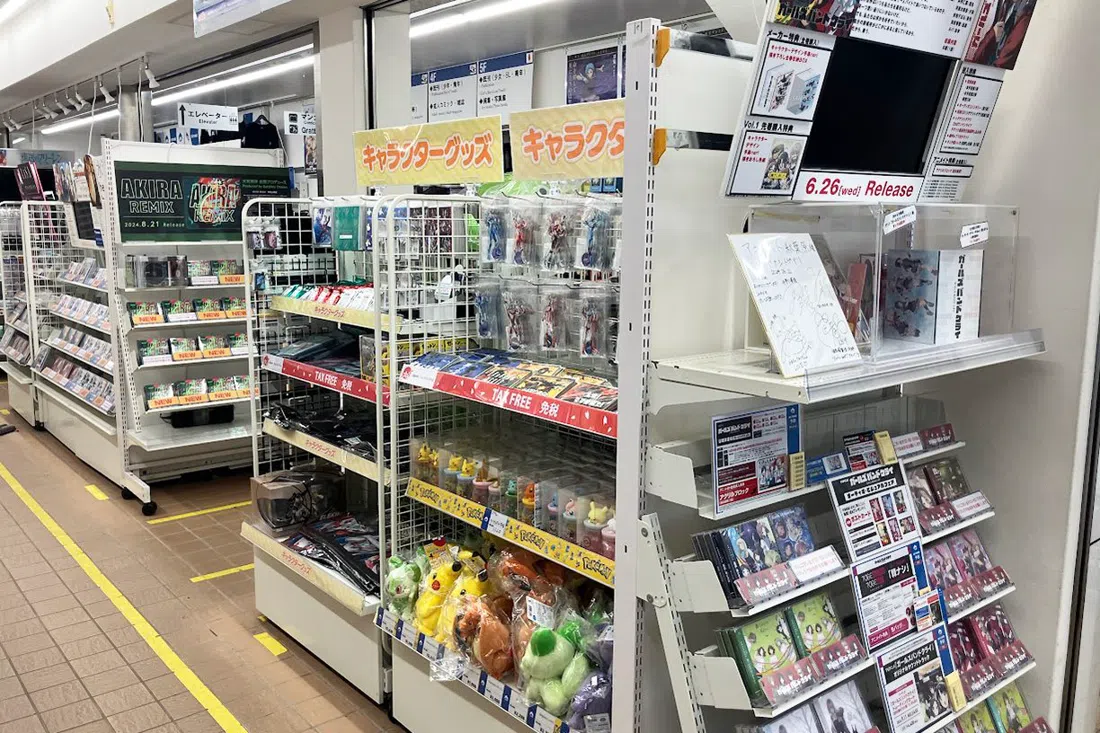
animate Akihabara (Sotokanda, off Chuo-dori) fully reopened on 8 August 2026 after an expansion that added the POP @P CAPSULE -AKIHABARA- capsule floor in the annex. Unlike the used shops, everything here is new, sealed, current merchandise, ¥500–¥5,000 for most goods. Any group size, walk in, no booking, but expect queues at the tills on release days, the one real wait in the district.
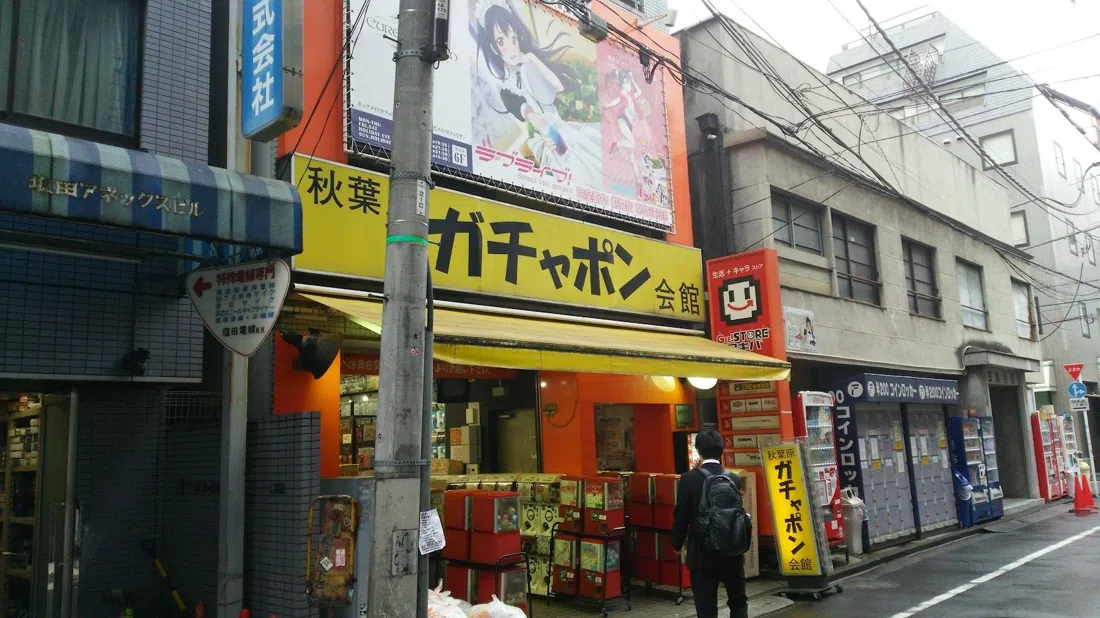
Akihabara Gachapon Kaikan (Sotokanda, a short walk north on Chuo-dori) is the cheapest and fastest hit of Akihabara strangeness: about 500 capsule machines at any time, with some 50 new titles arriving a month, at ¥200–¥500 a turn. It opens from 11:00 and stays open until 22:00 on Fridays, Saturdays and days before public holidays. It is one small room. A group of eight fills it and blocks everyone else, so go in shifts, and make sure everyone has ¥100 coins before they walk in.
Two arcades, two very different rooms
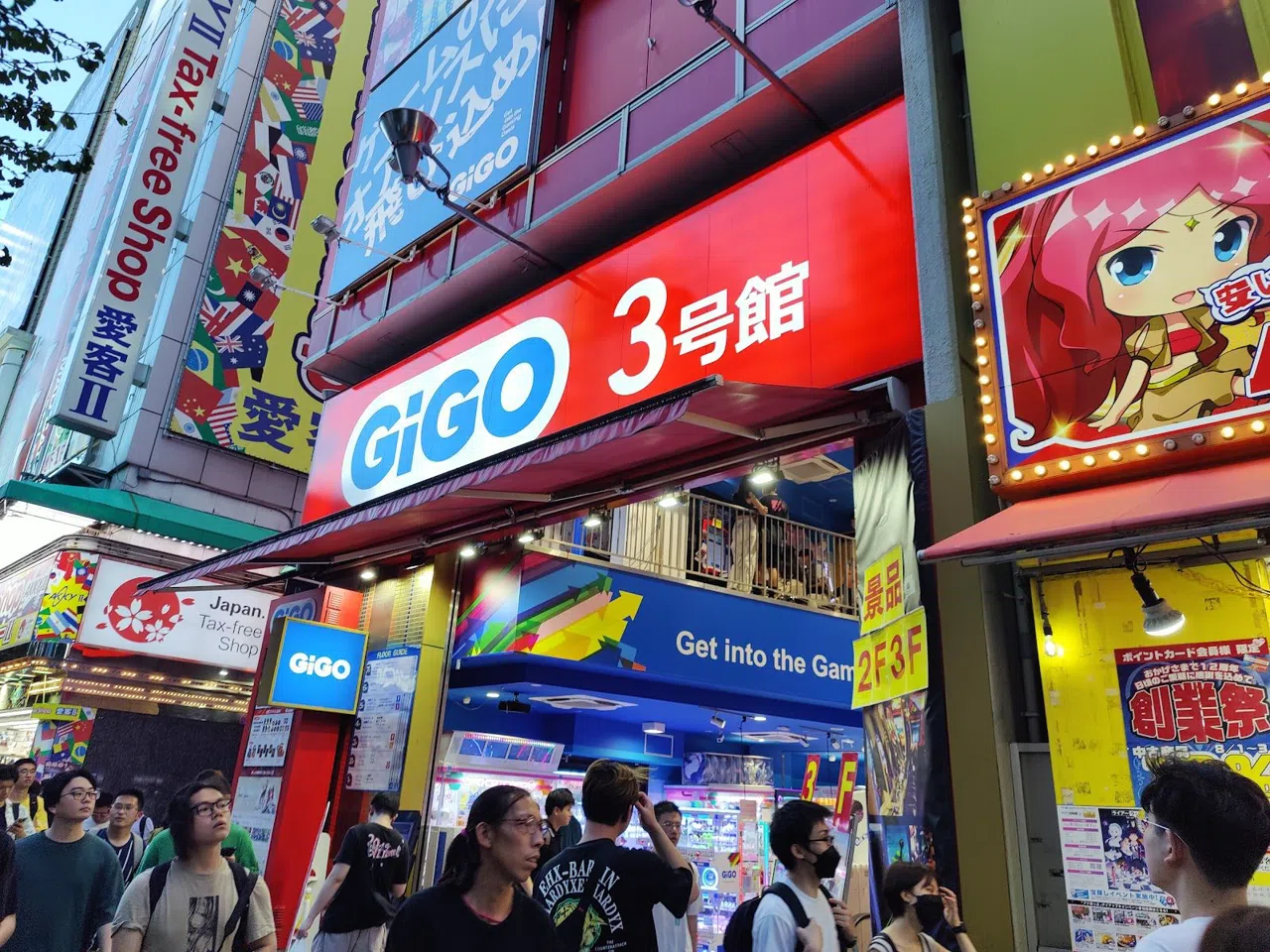
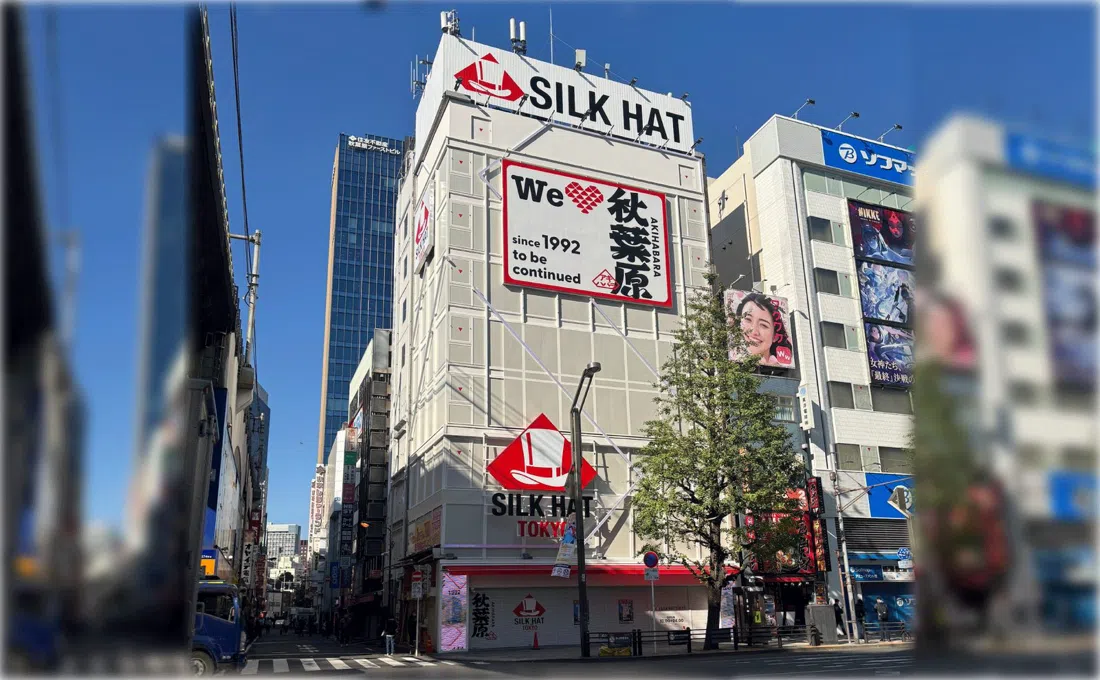
Silk Hat Akihabara (Sotokanda, on Chuo-dori) is the most group-friendly indoor venue in the district, open 10:00 to midnight, free to enter, ¥100–¥500 per play, with crane-game floors that absorb a dozen people without anyone feeling in the way. Use the current name. The GiGO No.1 building, a Sega site since 1992, closed in August 2025, and Matahari Entertainment reopened it as Silk Hat Akihabara on 22 November 2025. Older guides still send visitors to a sign that is no longer there.
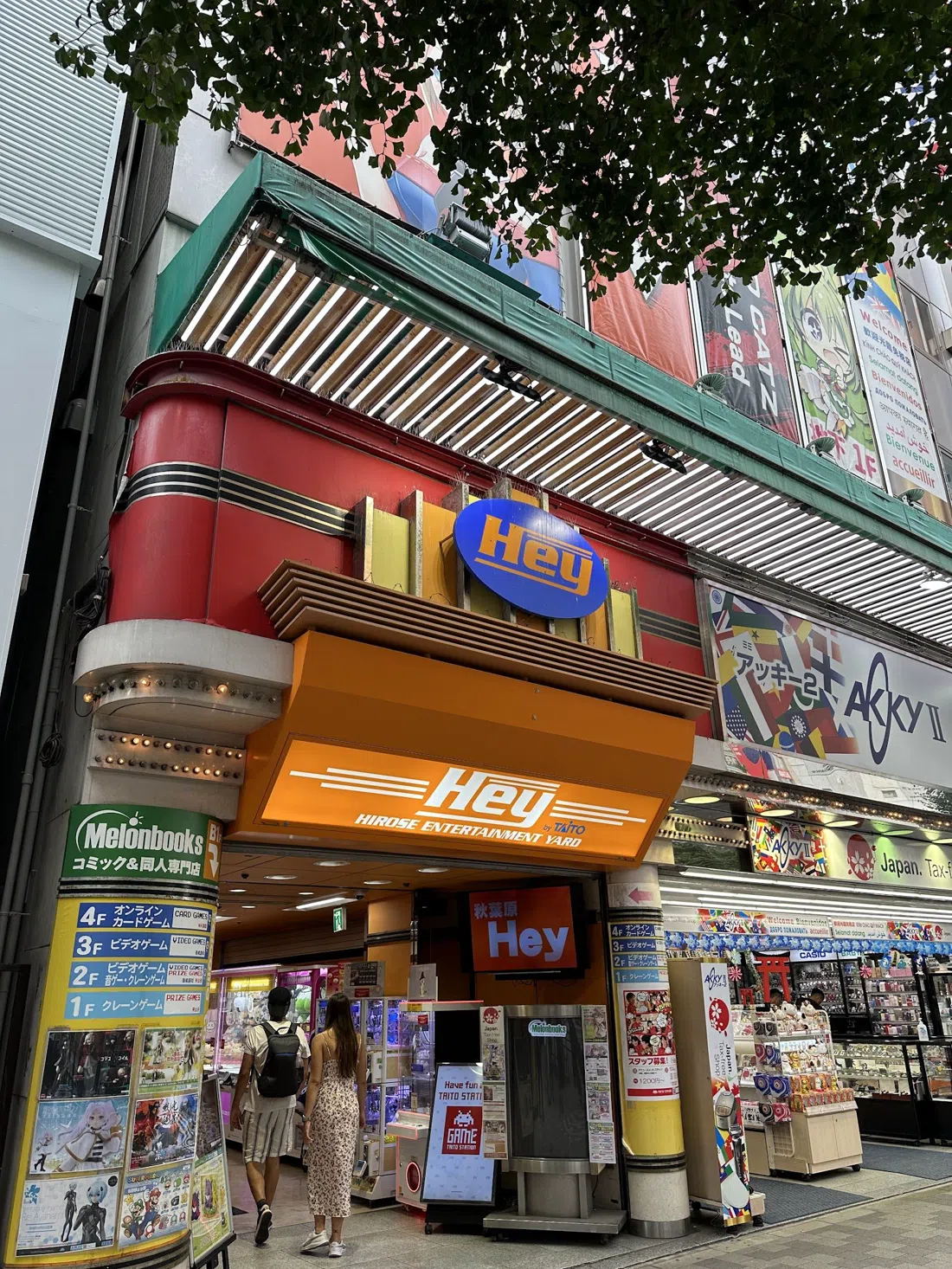
Taito HEY, short for Hirose Entertainment Yard (Sotokanda, close to the station), is the serious players' room, with the best surviving collection of classic shooters and fighting games in Tokyo, ¥100 a credit, open 10:00 to 23:30. The floors are narrow, so a group works better split across the four levels than stacked behind one cabinet. The late closing makes it the natural last stop of an Akihabara evening, after the shops have shut at eight and there is nothing else to do but play.
Maid cafés, handled without the awkwardness
This is the part most visitors are unsure about, and the two sensible choices are very different rooms.
@home cafe (Akihabara Main Store, Sotokanda, on Chuo-dori) is the safest first maid café for international visitors: five themed floors from 3F to 7F, an English menu and English booking page, staff trained in English, cards, IC and PayPay accepted, open 11:00–22:00 on weekdays and from 10:00 at weekends. Entry is roughly ¥700–¥900 per hour plus one drink, and a realistic spend is ¥2,000–¥3,500. It takes groups and books online, but ask specifically for one table when you book, or a party of six can end up split across two floors.
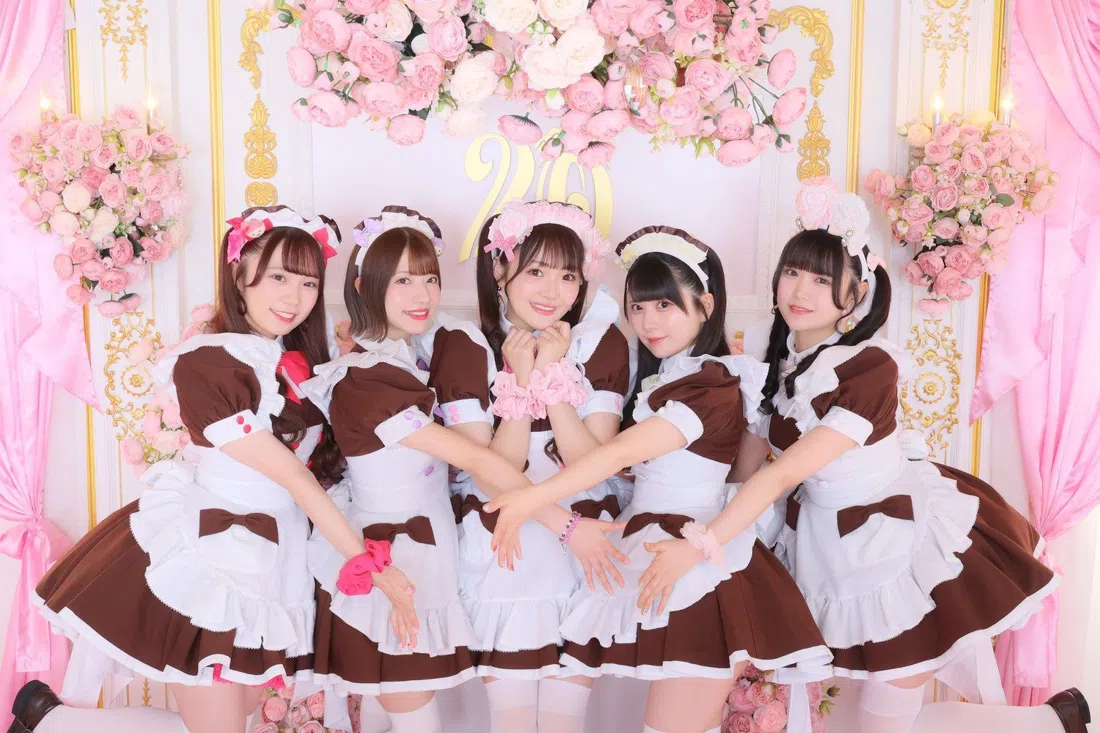
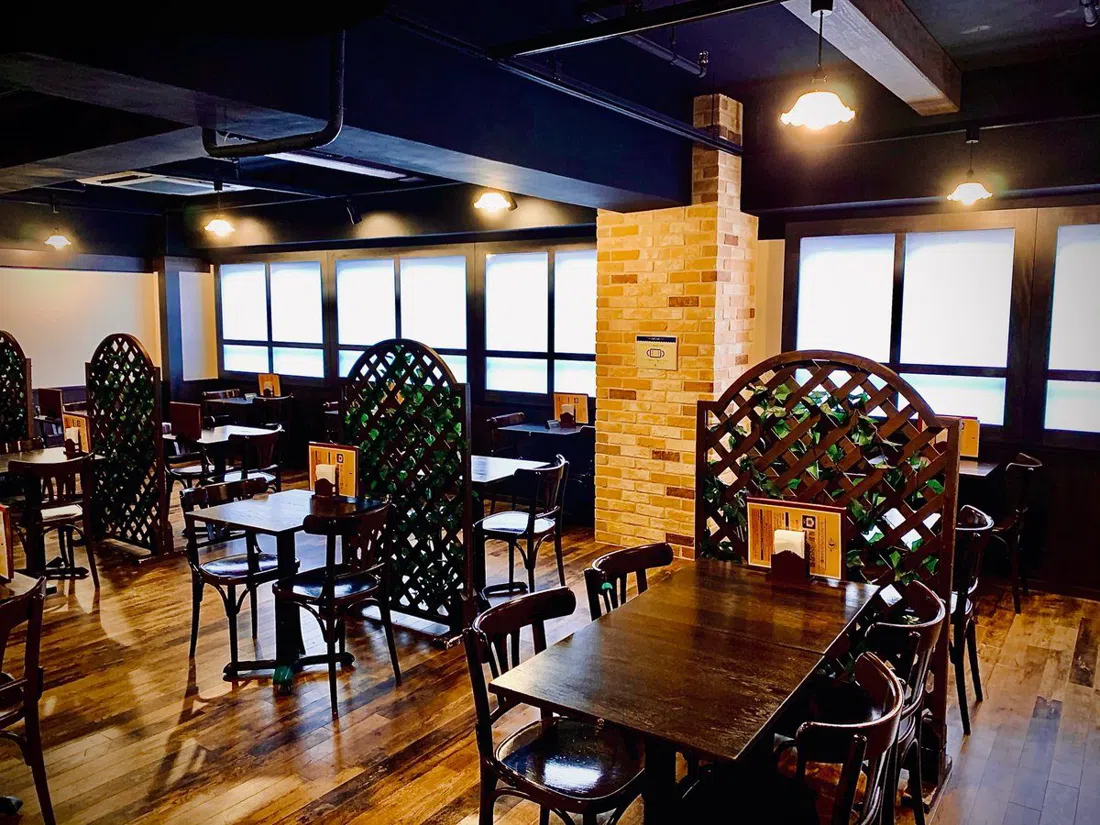
CURE MAID CAFÉ (Sotokanda, Onoden Main Store 4F, inside G-Store Akiba) is the opposite. Opened in 2001 and generally credited as the first maid café anywhere, it is a deliberately hushed room of around 40 seats, 11:00–20:00, with tea from ¥600 a pot and curry or omurice around ¥990. It suits four to six people, and it does not suit a loud party. If the chanting-and-cheering format sounds like hard work, this is the counterpoint, and it is the better room if you simply want to sit down for forty minutes.
The quiet part, five minutes away
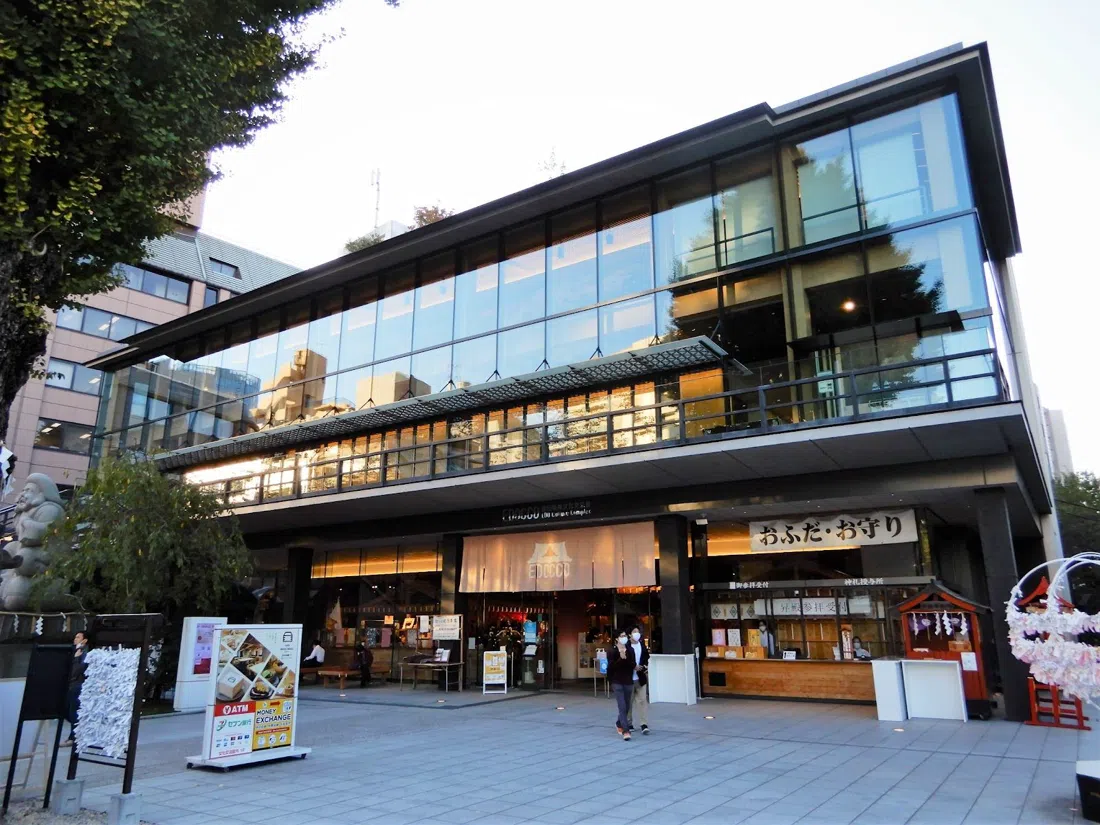
Kanda Myojin Shrine (Sotokanda, uphill north-west of the station, with EDOCCO in the grounds) is roughly 1,300 years old and the guardian shrine of both Kanda and Akihabara. The grounds are open 24 hours and free, which makes it the best 08:00 stop in the district, with amulets around ¥500–¥1,500. The EDOCCO culture hall, shop and café mainly run weekends and holidays, around 10:00–16:00, and can absorb a larger party. Note for anyone planning around it: 2026 is a 'Shadow Festival' year, so there is no grand Kanda Matsuri procession.
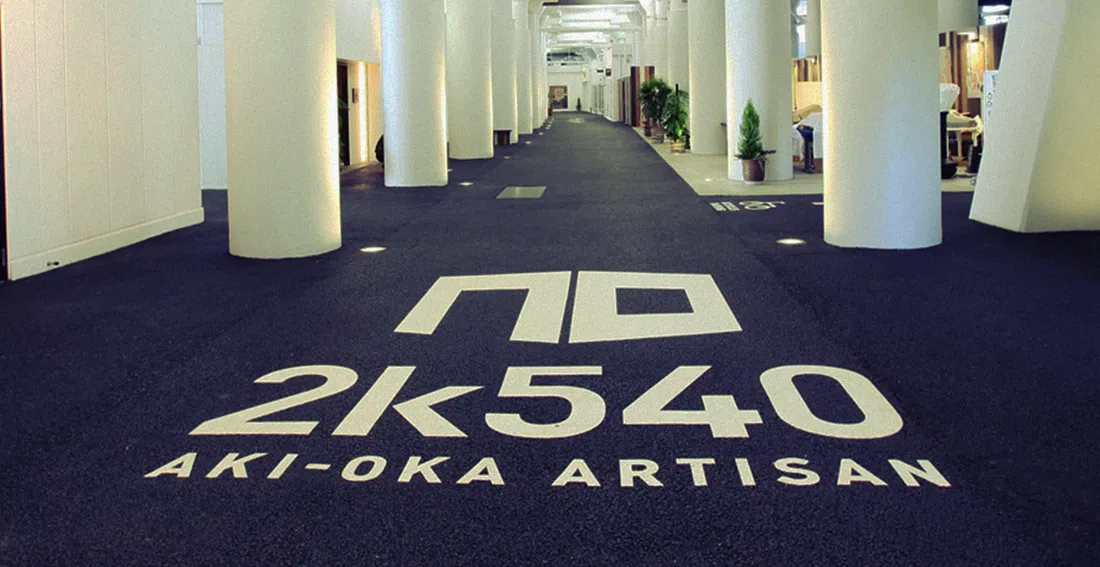
2k540 AKI-OKA ARTISAN (under the tracks toward Okachimachi, five minutes' walk north) is around 50 makers' shops in a wide, covered corridor, named for its distance of 2km540m from Tokyo Station. Open 11:00–19:00, closed Wednesdays, free to enter; crafts run ¥1,000–¥20,000 and some studios run bookable workshops from about ¥2,000. The corridor handles a group easily; the individual studios, which are tiny, do not. It marked its 15th anniversary in 2026, and it is handmade and quiet in a way nothing else in the district is.
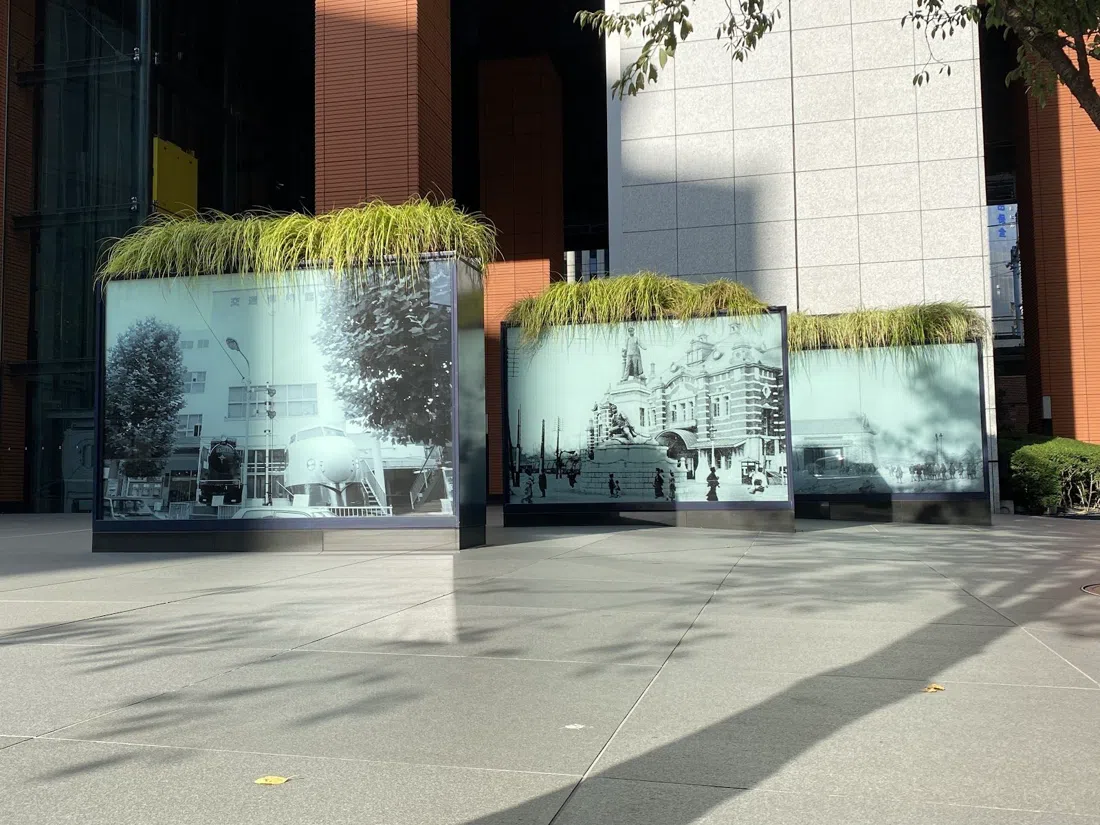
mAAch ecute Kanda Manseibashi (Manseibashi, at the south end of the Hokoten stretch) is the former Manseibashi Station, designed by the architect of Tokyo Station, closed since 1943 and reopened as shops in the restored railway arches in 2013. Free to walk through; coffee runs ¥500–¥800 and meals ¥1,500 and up. The old platform deck is the closest thing Akihabara has to a viewpoint, with trains passing either side of you, and the riverside open deck takes a group comfortably even when the individual shops cannot. Stairs and platform run to about 22:00 on weekdays and Saturdays, with scheduled monthly closure days, so check before making it your evening plan.
What it costs at the door, and when a guided day earns its price
Almost everything above is free to enter. A realistic self-guided day is ¥3,000–¥6,000 a head including lunch, an arcade hour and a café, before you buy anything you actually want. There is nothing to pre-book and no ticket queue anywhere in the district. The only bookings worth making are a maid café table and, if you want one, a craft workshop.
Guided full-day options that include Akihabara exist and are attached to this page separately. They start from 127 USD per person and run seven days a week. Plan for this: the most-reviewed of them is confirmed manually by the operator, with up to 48 hours to confirm, so it cannot be arranged last-minute. Decide a couple of days out or not at all. The case for booking one is language and logistics across a whole day of Tokyo. It is not access, because nothing here needs a guide to get you in.
Is it worth a day
Yes, with a caveat. Akihabara is worth a half day for anyone and a full day for anyone who collects something: games, figures, manga, components, capsule toys. If none of those words apply to you, three hours covers it, and you will enjoy the arcades and the Sunday street more than the shops. It suits solo visitors and pairs best; groups of six or more can do it, but only by splitting and regrouping, because the buildings are vertical and narrow by design. Families do fine in the daytime, where the arcades, the capsule hall and Yodobashi carry the afternoon. For how this fits the rest of the city, see the Tokyo guide.
Best time to go in September
Sunday, arriving late morning. That is the only day the Hokoten runs, and the 13:00–18:00 closure overlaps neatly with the noon opening of the used shops. Fill 10:00 to 12:00 with the shrine grounds, the component stalls and Radio Kaikan, hit the street at one, and let the afternoon run into an arcade.
If you cannot do Sunday, go on a weekday, and skip Monday through Wednesday only if 2k540 is on your list, because it closes Wednesdays. Weekday afternoons are the calmest the shops ever get; Saturdays are busy without the payoff of a closed street.
Time of day matters more than day of week. Before noon, half the district is shut. Between 12:00 and 18:00 everything is open. After 20:00 the shops close and the arcades are all that is left, which is why Taito HEY at 23:00 beats trying to shop late. September heat is real. The covered corridor at 2k540, the arches at Manseibashi and any arcade are the places to cool down, and a heat alert can take the Sunday street away entirely.
Practical notes
Transport. JR Akihabara Station is on the Yamanote, Keihin-Tohoku and Chuo-Sobu lines, with the Tokyo Metro Hibiya line and the Tsukuba Express underneath. Use the Electric Town Exit for everything in this guide; the Showa-dori side is the wrong half of the district. Okachimachi is one stop north on the Yamanote line and puts you at the far end of 2k540, so walking the corridor south to Akihabara is a good way in. Suehirocho on the Ginza line is the closest entrance to the northern Chuo-dori shops.
Cash. Bring ¥100 coins: arcades, capsule machines and the Super Potato retro floor all want them, and the component stalls at Radio Center are cash-first. The megastores, @home cafe and most chain shops take cards and IC; small used-goods counters may not. Tax-free purchases need your passport in your pocket, not in the hotel safe, and remember Mandarake's tax-free counter shuts an hour before the shop.
Timing. Budget 3 hours minimum, 6–7 for a full day. Nothing sells out and nothing needs a ticket except the AKB48 Theater lottery, so the only real scheduling constraint is the Sunday street window and the noon openings.
Budget. Free entry everywhere listed here; ¥100–¥500 per arcade play, ¥200–¥500 per capsule turn, ¥990–¥3,500 for a café sitting, ¥1,000–¥2,500 for lunch on the Yodobashi restaurant floor.
Staying nearby. Akihabara works well as a base. It is on the Yamanote loop, so most of the city is a single ride away, and apartment-style stays around the station suit anyone travelling with a group or carrying home more than they arrived with. Compare rooms and serviced apartments with the Tokyo hotel search, and if you want the Sunday street, book the night before rather than trying to arrive and walk it on the same afternoon.