Tokyo does not really have a skyline. It has a surface: one continuous grey field with towers punched through it, running out to the bay on one side and into the western hills on the other. No single deck shows you all of it. What follows is the working order for getting above that surface, from Skytree in the east to Shibuya Sky in the west, with what each place costs, what it takes to get in, and which ones are worth a detour across town.
The two decks you have to book
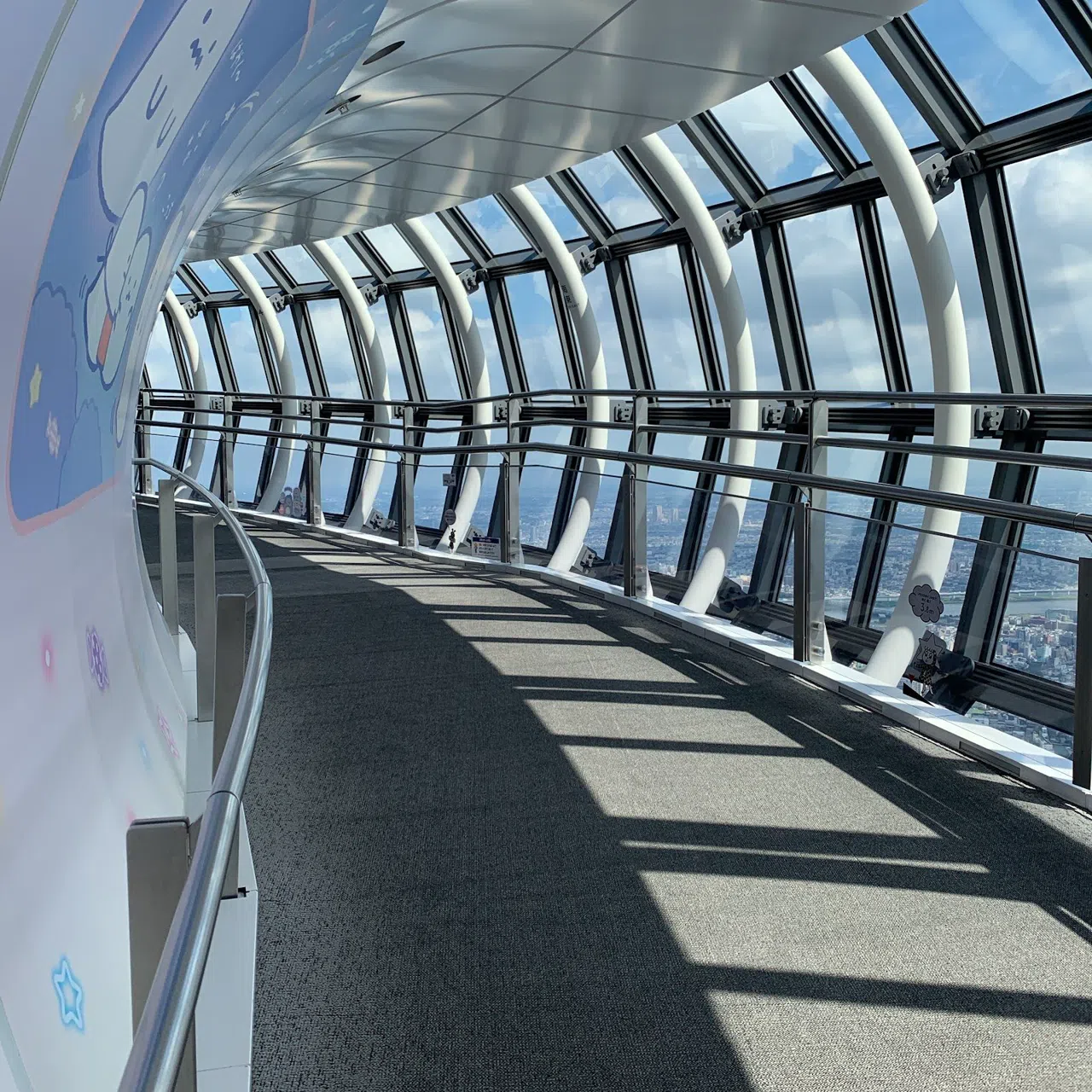
Tokyo Skytree (Oshiage, Sumida) is the one that makes the sheer horizontal sprawl legible. The Tembo Deck sits at 350m, the Tembo Galleria ramp at 450m, and from either of them the city stops being a collection of districts and becomes a single mat that runs to the horizon in every direction. Adult Tembo Deck tickets run ¥1,800 to ¥2,600; pricing has been dynamic since April 2026, so the slot you want on a clear Saturday is the expensive one. The combined Deck and Galleria set ticket costs more again, and the Galleria is worth it only if the air is clear enough to see past the middle distance.
Book the timed slot online. Buying at the counter adds a ¥500 same-day fee per person and puts you in the worst queue on this entire circuit, worse than Shibuya and worse than anything in Roppongi. There is a dedicated group and school reservation desk, which makes Skytree one of the few paid decks that absorbs a party of twenty or more without splitting it up. The tower is built directly over Tokyo Skytree Station on the Tobu line; if you are coming by subway, Oshiage sits at the far end of the Solamachi mall, about five minutes' walk through the building.
Shibuya Sky (Shibuya, on the roof of Shibuya Scramble Square) is the opposite proposition and the more photographed one. It is the only major deck in the city that is genuinely outdoors and open to the sky, with the rooftop stage running to the parapet on all four sides and the Scramble crossing feeding traffic in and out directly below. Adult tickets are ¥3,000 before 15:00 and ¥3,700 from 15:00, and every one is a timed slot.
The booking mechanics matter more here than anywhere else. Tickets release at midnight JST fourteen days ahead, and the slots either side of sunset are gone almost immediately. Set an alarm for the release, know your date, and buy the whole party in one transaction. Buy them separately and you will end up spread across three slots, spending the evening waiting for each other on the 14th floor. Being open to the sky also means the weather has a vote, so if you have only one clear evening, use it here and keep an indoor deck in reserve.
Lower down, walk-up, and the better photograph
Tokyo Tower (Shiba-koen, Minato) is lower than its rivals at 150m and 250m, and that is precisely the argument for it. You are inside the streets rather than above them, close enough to read individual buildings, watch traffic on the expressway and pick out the temple grounds next door. The Main Deck is ¥1,500 for an adult, takes walk-ups at any group size, and runs to 23:00, which makes it the most forgiving late stop in this guide. The Top Deck Tour is a different animal: fixed timed slots with a guide, from ¥3,300 adult on the web rate and dearer at the counter, so reserve the whole group together or don't bother. Akabanebashi Station on the Oedo line is about five minutes away via the Akabanebashi exit; Kamiyacho on the Hibiya line is roughly seven.
Tokyo City View (Roppongi Hills Mori Tower, Roppongi) has the best framed shot of Tokyo Tower from above, which is the thing Tokyo Tower itself cannot give you. Around ¥2,000 for an adult, varying with whatever exhibition is running, walk-up or online, and no timed entry at all, which suits a group that cannot commit to a clock. It is open to 22:00 with last admission at 21:30, and it shares a lift lobby with the Mori Art Museum, so the two combine into one stop. Two caveats. The open-air Sky Deck on the roof has been closed to the public since April 2024 and has not reopened, so do not go up expecting outdoor air. And the central Sky Gallery 2 area is restricted from 27 to 31 October and again from 1 to 10 November 2026 for exhibition build, which trims the floor plan during the best-looking fortnight of the year.
Sunshine 60 Observatory Tenbou-Park (Ikebukuro) is the cheapest serious altitude in the city (¥700 on a weekday, ¥900 at the weekend, up to ¥1,200 in peak season) and the only deck designed as a lawn rather than a viewing gallery. You can lie down on it. It runs 11:00 to 21:00 with last entry at 20:30, and there is an explicit group reservation route set up for school trips and community parties, so a coach-sized group is a solved problem here rather than an argument at the ticket desk. From Ikebukuro's east exit it is about eight minutes on foot up Sunshine 60 Street.
What free height actually gets you
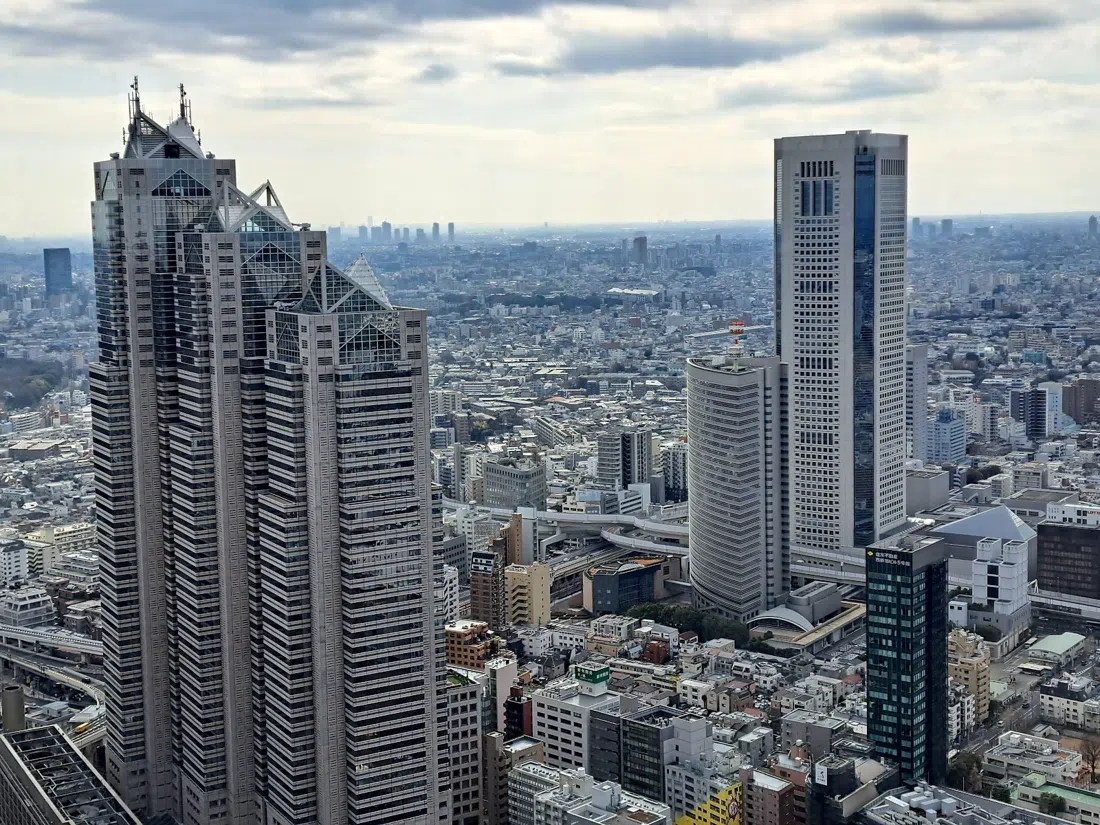
Tokyo Metropolitan Government Building Observatories (Nishi-Shinjuku), known locally as Tocho, is the honest answer to anyone asking whether the paid decks are worth it. Free, 202m, no tickets, no reservations, no group limit. For a party of thirty it is the easiest stop in the city. There is an airport-style bag check at the lift lobby, so allow a few minutes at busy hours. The South deck stays open until 22:00; the North shuts at 17:30, and each tower has its own closed days, so check before you cross town for it. Tochomae on the Oedo line puts you in the building; from Shinjuku's west exit it is about ten minutes on foot.
Yebisu Garden Place Tower Sky Lounge (Ebisu, 38F and 39F) is the local shortcut. Free, unticketed, no queue, and a clean line of sight to Tokyo Tower, Skytree and Rainbow Bridge from the 38th floor. It is also a working office tower lobby, not an attraction. Keep the group to a handful of people, keep the volume down, and don't treat it as a picnic spot. It is about ten minutes from Ebisu station along the covered moving walkway.
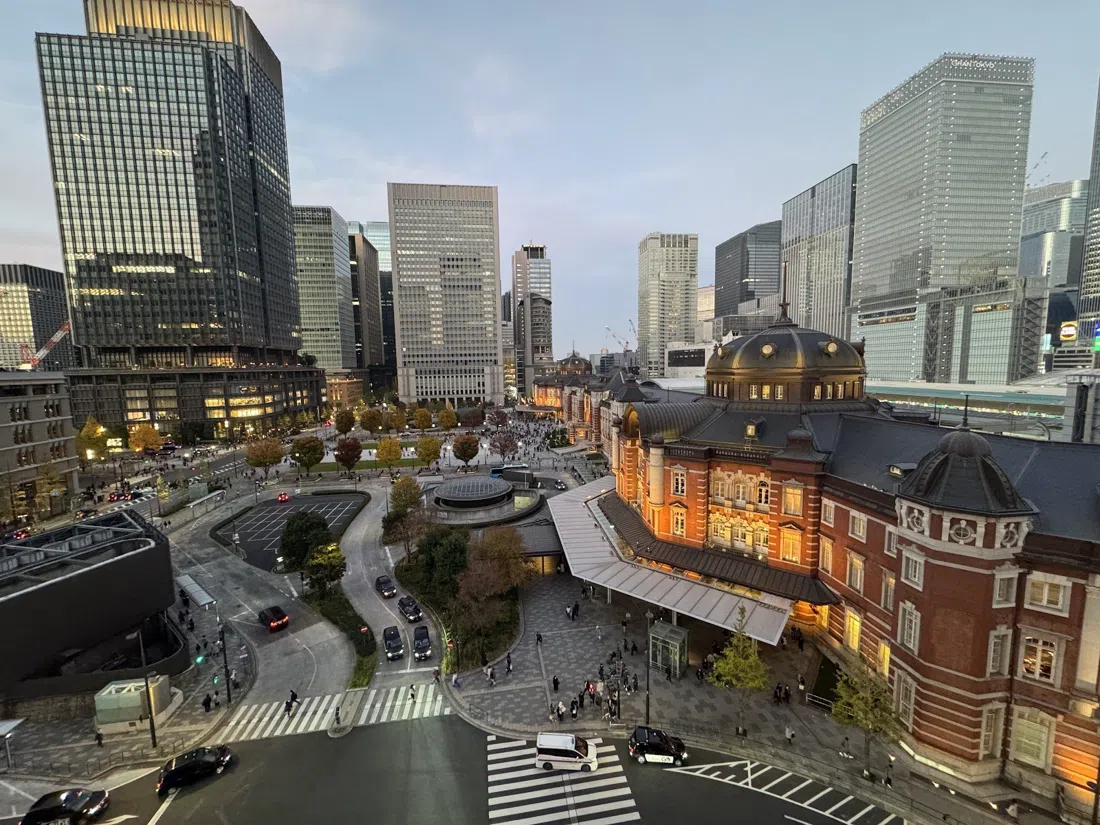
KITTE Garden (Marunouchi, 6F of the KITTE building) is not a skyline deck in the altitude sense. It is the best view in the city of the red-brick station facade under floodlight with trains sliding underneath, which is a different and better photograph than anything taken from 300m. Free, no booking, open to anyone, and about a minute from the station's Marunouchi south exit. The rail fills up at dusk, and the facade lighting goes off around 21:00, so arrive before then even though the garden itself stays open to 23:00 on weekdays.
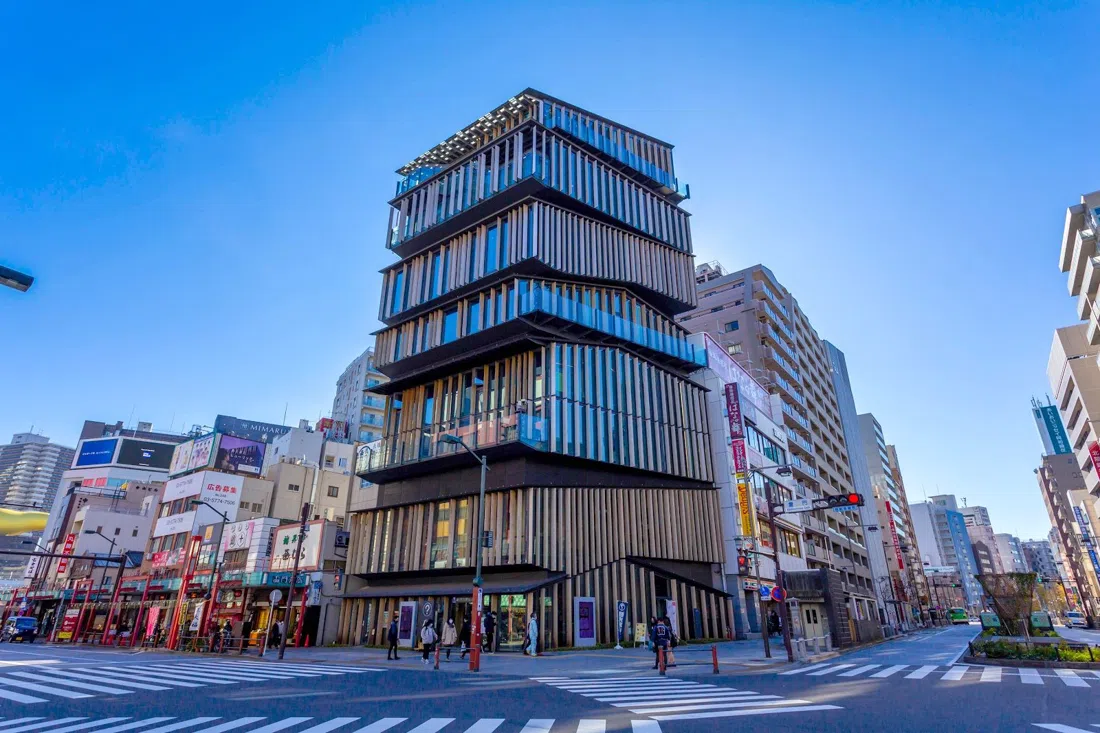
Asakusa Culture Tourist Information Center Observation Terrace (Asakusa, 8F) is the single spot that lines up the temple approach, the pagoda and Skytree in one frame. Free, unticketed, lift straight to the 8th floor, directly opposite the main temple gate on Kaminarimon-dori. The terrace is narrow, so a large group will be shuffling past each other, but it stays open until 22:00, well after the information desk downstairs closes at 20:00, and the crowd thins out completely after nine.
Height with a drink in your hand
New York Bar (Park Hyatt Tokyo, 52F, Nishi-Shinjuku) reopened in December 2025 after a nineteen-month renovation with the room and the jazz programme intact, and the view west over the Shinjuku towers is unchanged. The door policy is the thing to plan around: no reservations for the bar, first-come seating, a smart-casual dress code, and a cover charge of ¥2,000 to ¥3,000 per person once the music starts after 20:00. Budget ¥8,000 a head with drinks. Small groups only. Four is comfortable, eight is a problem.
Bar Bellustar (BELLUSTAR TOKYO, 45F, Kabukicho) gets you the neon and the skyline in the same frame rather than making you choose, because it sits directly above the Kabukicho grid. Cocktails run ¥2,500 to ¥3,500 and the house gin is distilled specifically for the bar; reckon on ¥7,000 or more per person. Reserve through the hotel and respect the dress code. Small groups again.
The Rooftop Bar at Andaz Tokyo Toranomon Hills (Toranomon, 52F) is one of very few genuinely open-air bars at this height, and it takes small-to-mid groups more happily than the two above. It opens at 17:00, reservations are advisable if you want the terrace, and cocktails start at ¥2,400. The ¥2,200 seating charge applies after 20:00 from March to December and is waived between 17:00 and 20:00, so an early table is materially cheaper. Ask for the bay-facing side.
Azabudai Hills Sky Room Café and Bar (Azabudai, Mori JP Tower 33F) puts Tokyo Tower straight ahead at eye level for the price of a coffee: ¥500 admission plus one drink per person. Since April 2024 the 33rd floor is for café and restaurant customers only, not the free public lobby it was at opening. There is no reservation system and seating is limited, so a group of six may end up standing or waiting.
Over the water, and above it
Rainbow Bridge Promenade (Shibaura to Odaiba) is 1.7km of walkway out over the bay for nothing at all, 20 to 30 minutes each way. The north route gives you the city skyline, the south route gives you the port and the container cranes, and you cannot switch halfway. It runs 09:00 to 21:00 from April to October, closes on the third Monday of the month, and last entry is 30 minutes before closing. No ticket, no limit, any size party.
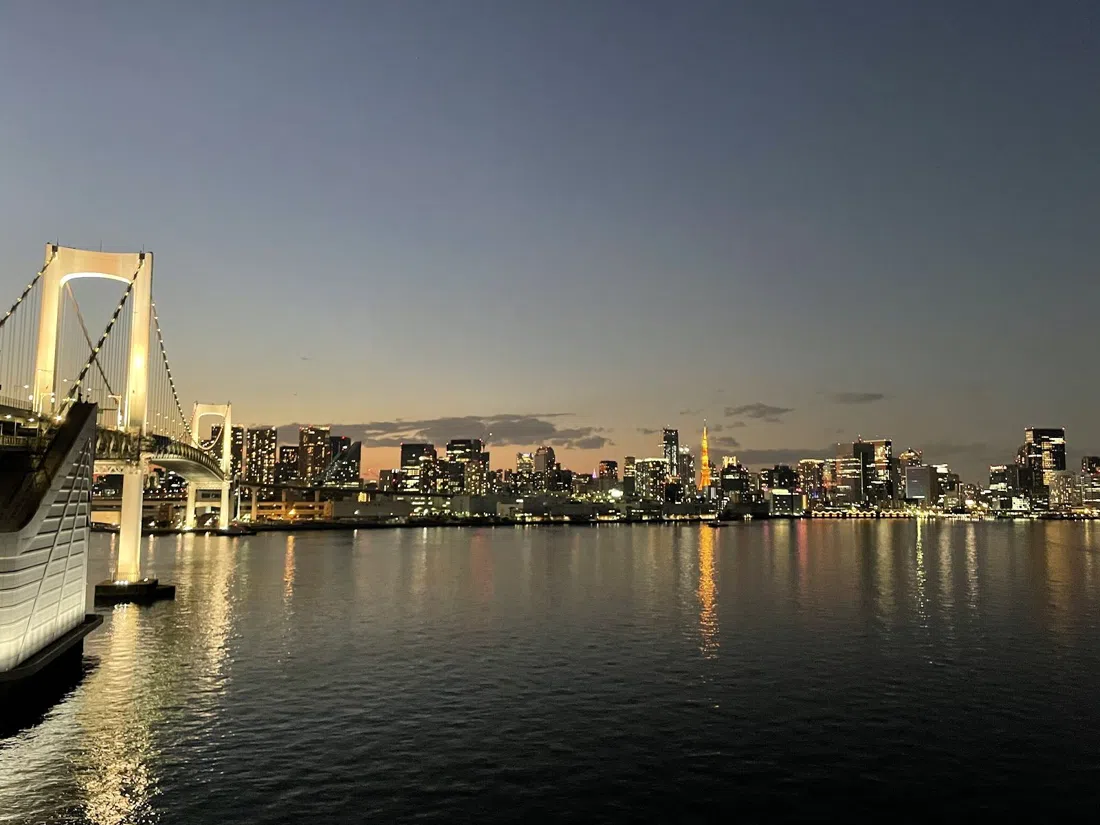
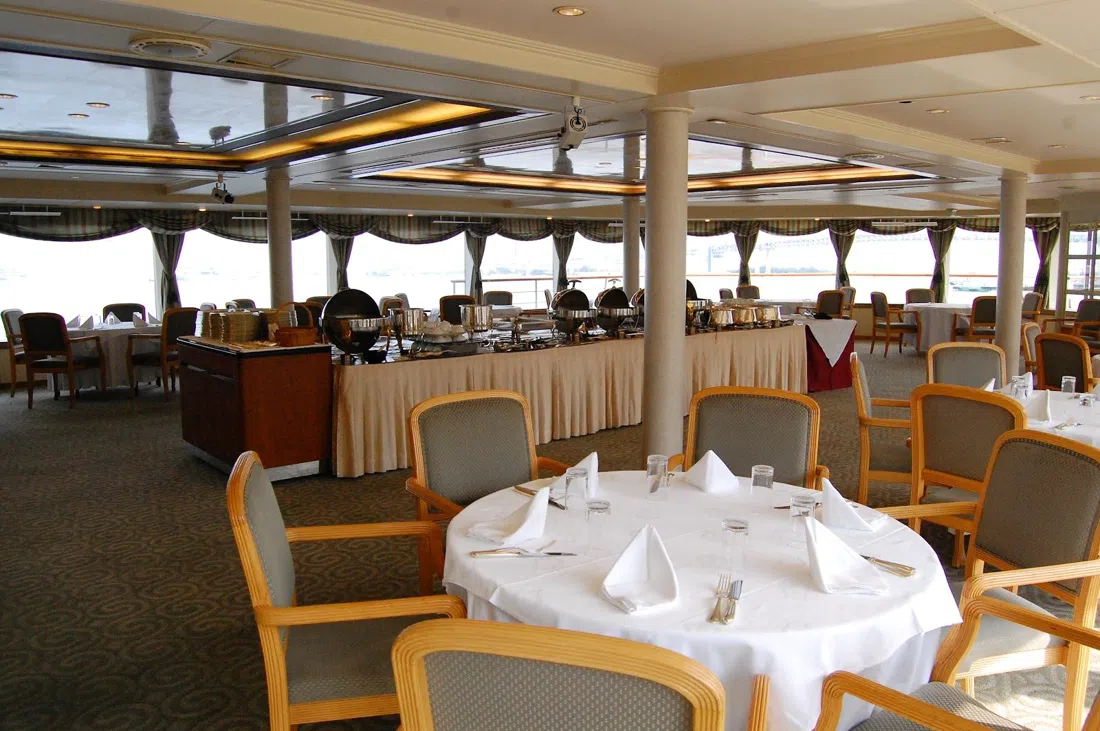
Symphony Tokyo Bay Cruise (Hinode Pier, Minato) is the strongest group option on this list by a distance: two ships carrying 450 and 600 passengers, and private rooms for parties of 35 to 150. It sails four times a day. The afternoon cruise starts around ¥2,500, lunch and sunset sailings run roughly ¥7,000 to ¥12,000, and a dinner course is ¥14,000 to ¥20,000. The one to take is the 16:20 sunset sailing, which puts you under Rainbow Bridge exactly as the skyline lights come on; the later dinner sailing misses that entirely and you pay more for it.
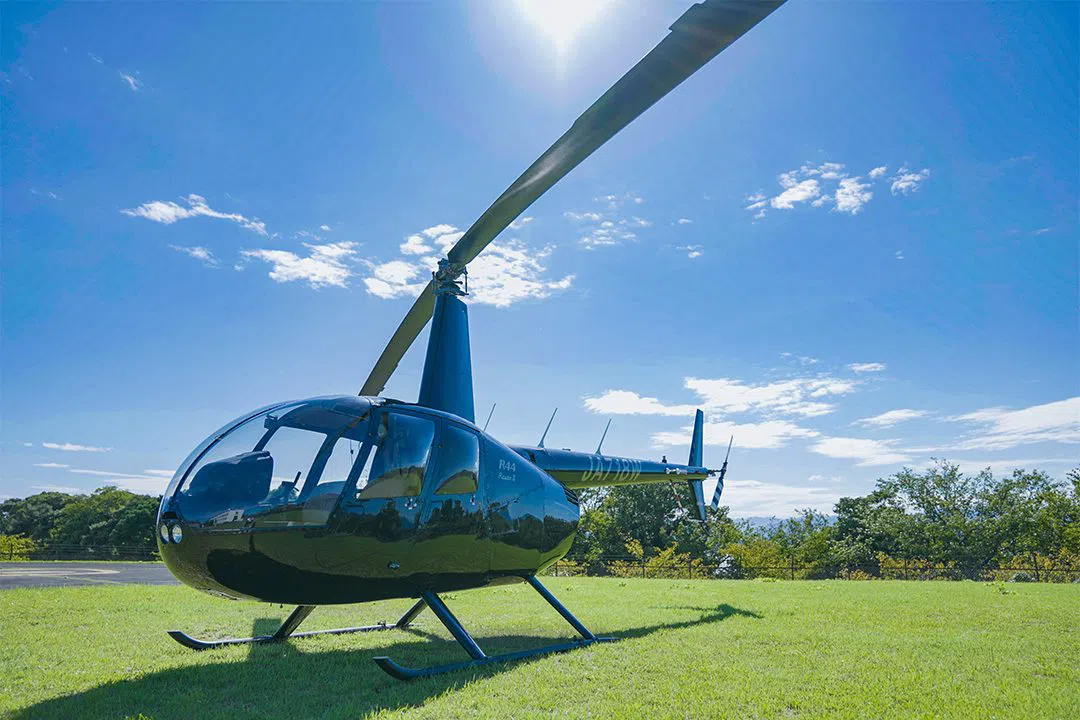
AIROS Skyview Tokyo Helicopter Cruising (Tokyo Heliport, Shinkiba) is the splurge, and the only way to see the whole Skytree-to-Shibuya sweep in one continuous movement. From about ¥63,000 for a ten-minute bay flight, around ¥140,000 for the 22-minute night route. Charters carry up to four guests, so a party of eight means two consecutive flights and a wait on the ground. Night slots run 17:30 to 20:00, and changes and cancellations are free up to four days out, which is the detail that makes it bookable at all in a climate this unpredictable.
Two days that hold together
A paid east-to-west day: Asakusa terrace mid-afternoon for the pagoda-and-Skytree alignment, Skytree itself on a 16:00 slot, then across town for the 20:00 seating at the Andaz rooftop before the charge kicks in. A free day costs nothing and is not much worse: KITTE Garden at dusk, the Yebisu lounge after dark, Tocho's South deck for the last hour before 22:00.
If you are choosing where to sleep around this, anywhere on the Hibiya or Oedo lines puts most of these within twenty minutes; the Tokyo hotel search covers the Shinjuku and Roppongi clusters, and the wider Tokyo guide handles what to do at street level between decks.
Practical notes
Get an IC card at any station machine on arrival and stop thinking about fares. Every place here is reachable on the subway except the heliport, which needs the Yurikamome or a taxi from Shinkiba. All the paid decks and every bar take cards; carry a few thousand yen anyway for the smaller cafés.
Timing decides more than the choice of deck. Sunset falls anywhere from about 16:30 in December to just after 19:00 in late June, and the hour after it is when every deck is fullest and every photograph is best. Book one paid deck for that window and take the free ones either side of it. Clear air is commonest after rain and in the cold months; a humid summer afternoon will cost you the mountains on the western horizon.
Budget roughly: a free day is ¥0 plus transport, a sensible paid day with one big deck and one bar runs ¥6,000 to ¥10,000 a head, and adding a sunset cruise or a helicopter changes the order of magnitude. Two paid decks in one day is usually a waste: pick the high one or the close one, not both.