Just after noon on a September Saturday, barriers go across Chuo-dori and the eight blocks from Ginza 1-chome down to the Shimbashi end become one flat pavement, about 1.1 kilometres of it. People carry folding chairs into the middle of a road that normally moves six lanes of taxis. It is still close to 30°C and humid, so the honest version of this walk is planned around basements, shade and air conditioning, which is no hardship here: most of what you came to see is indoors, free, and a few doors apart.
The one fact that sets your date
Ginza Chuo-dori Pedestrian Paradise (Hokosha Tengoku) (Chuo-dori, Ginza 1-chome to 8-chome) runs on Saturdays, Sundays and public holidays only, roughly 12:00–18:00 from April to September and 12:00–17:00 from October. It is free, there is no ticket and no door policy of any kind. It is also cancelled in rain, and September rain in Tokyo tends to arrive as a typhoon band rather than drizzle, so check the forecast the night before and keep a wet-weather order of play in reserve.
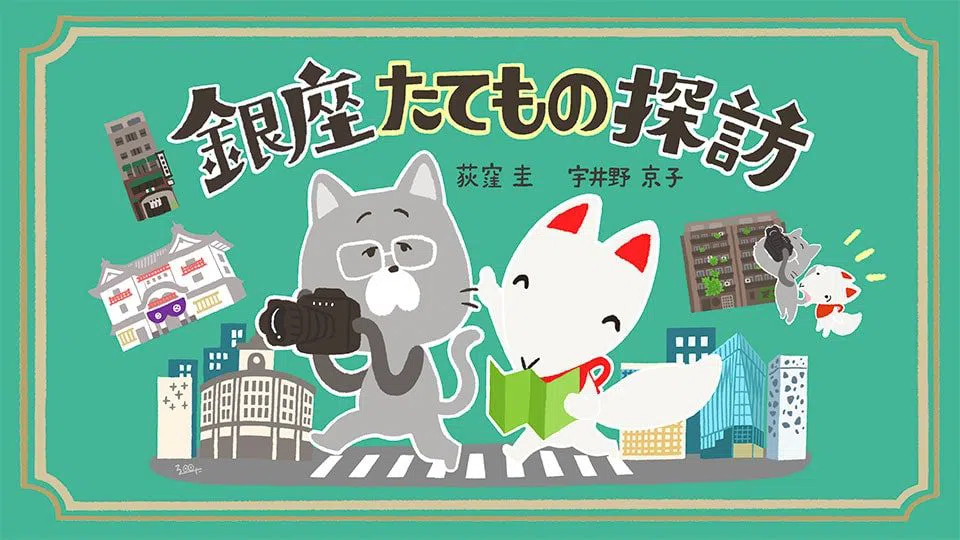
Two things follow. First, if you want the Ginza that appears in photographs, the road empty of cars and people standing still in the middle of the 4-chome crossing, you need a weekend or a public holiday and a start after midday. Second, September is the last month of the long hours; from 1 October the street goes back to traffic an hour earlier.
Of the two weekend days, Saturday is the one that lines up. Sunday shuts the small galleries and closes the market, so a Sunday walk is the shops-and-street version only. Everything below is open on a Saturday.
What the walk is, 1-chome to 8-chome
Chuo-dori end to end is about fifteen minutes at a steady pace, and there is no gradient worth mentioning. Come up from Ginza Station (Ginza, Marunouchi and Hibiya lines) and you surface at the 4-chome crossing, which is the middle of the route rather than one end. That is useful: you can walk one half, double back, and never be more than eight minutes from a train.
Seiko House Ginza stands on the 4-chome corner where Chuo-dori meets Harumi-dori, and its clock chimes on the hour. That is the classic Ginza moment and it costs nothing. Use the current name: the building was rebranded from Wako in 2022, and older guides still say Wako, which sends readers looking for signage that no longer exists. Inside is a quiet luxury retail floor. Entry is free, the stock is not, and it is a room for one or two browsers, not a walking group standing together.
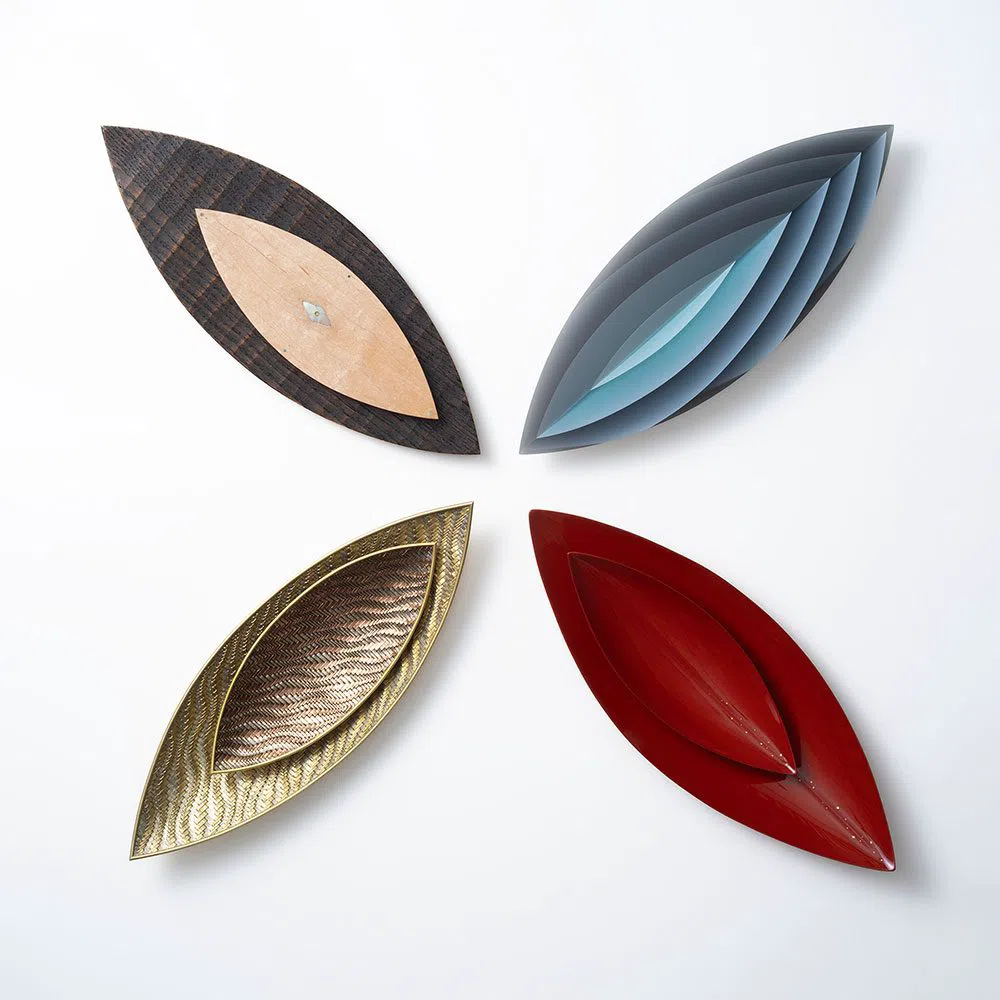
GINZA SIX (Chuo-dori, 6-chome) is the useful piece of the southern half. The shops run 10:30–20:30, but the rooftop garden is free, unticketed and open roughly 07:00–23:00 with no closing days. That gap matters: it is the one genuinely free open-air viewpoint in Ginza that you can use at seven in the morning or after dinner, and it takes any group size without a word from anyone.
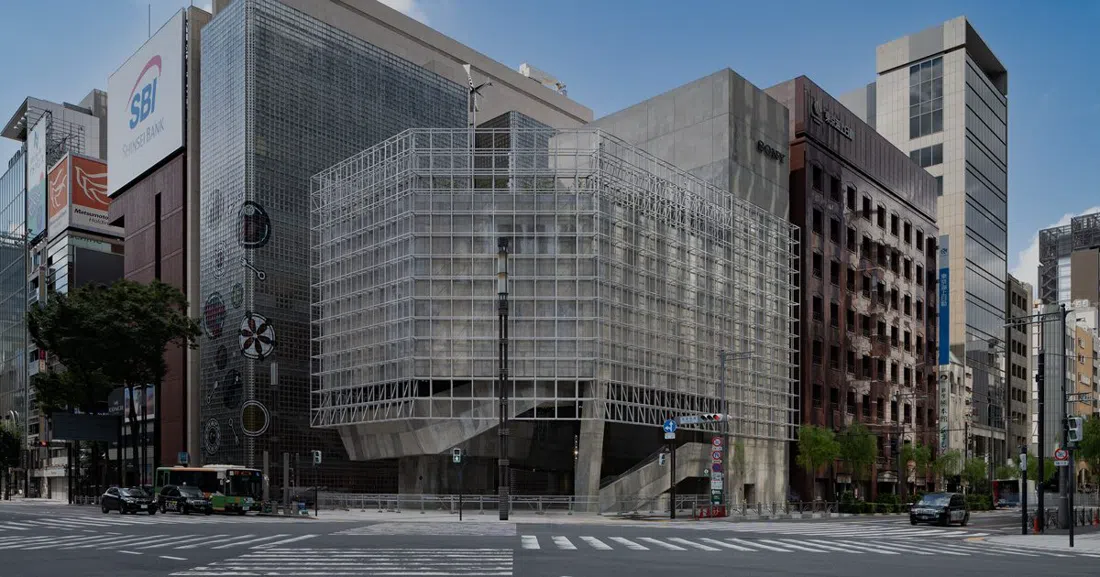
Ginza Sony Park sits at Sukiyabashi, 5-chome, on the corner of Sotobori-dori and Harumi-dori. It reopened on 26 January 2025 as a completely new building after about three years of construction, so anything written before 2025 describes a building that is gone. General floors are free walk-in, 11:00–19:00, and the programming rotates every few weeks. Headline exhibitions need advance timed reservations booked per person, which makes them awkward to bolt onto an unplanned afternoon.
Kabukiza Theatre is at Higashi-ginza, one stop along the Hibiya line or about six minutes' walk east from the 4-chome crossing; exit 3 puts you straight into the Kobikicho Hiroba basement arcade, which is free and absorbs any number of people. The single-act ticket (hitomakumi) is sold same-day from a separate street-level window at roughly ¥1,000–2,500 depending on the act, with the English audio guide extra. It is the best value in Ginza for anyone with an hour spare. Two caveats: tickets are per person from that one window, so a group of ten will not be seated together, and prices and act times are set fresh each month, so check the current month's listing rather than trusting any fixed figure, including mine.

Shops where the walk slows down
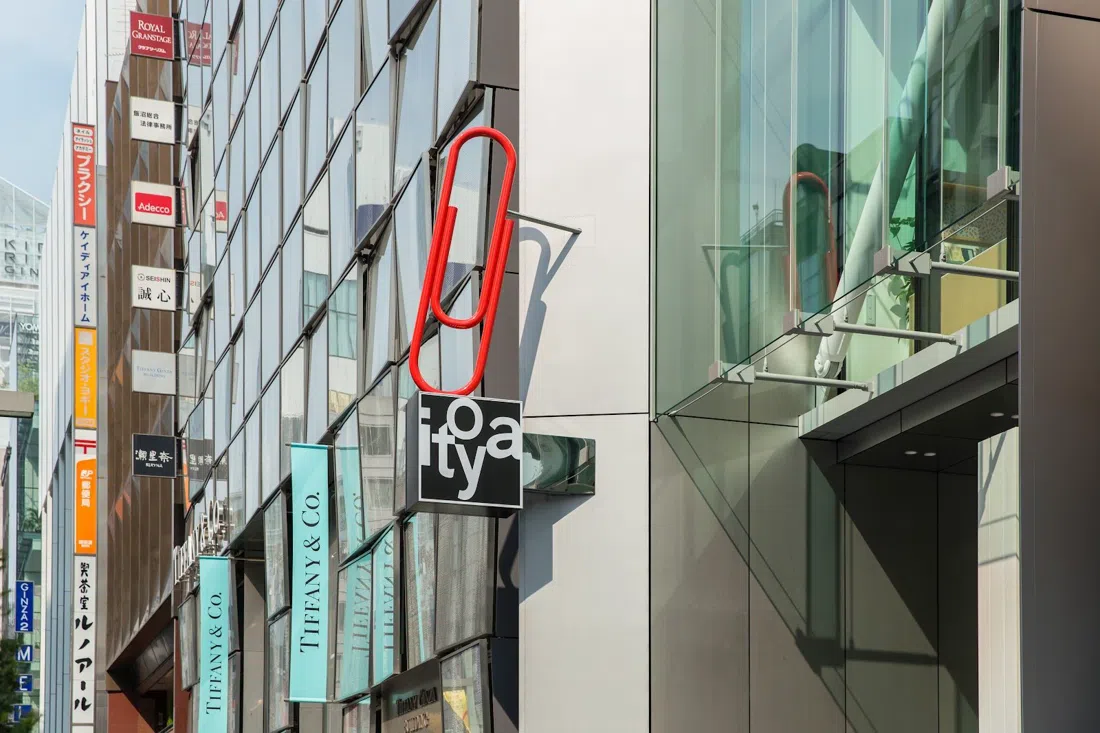
Ginza Itoya (Chuo-dori, 2-chome) is open 10:00–20:00 on weekdays and Saturdays, 10:00–19:00 on Sundays and holidays. It welcomes foreign browsers and is entirely used to them, but the floorplate is small and the lifts are the bottleneck: go up in twos and threes rather than as a block. Postcards and pens start around ¥100 and climb to several thousand yen. The detail everyone remembers is on the 11th floor, an indoor farm that supplies the salads in the 12th-floor café.
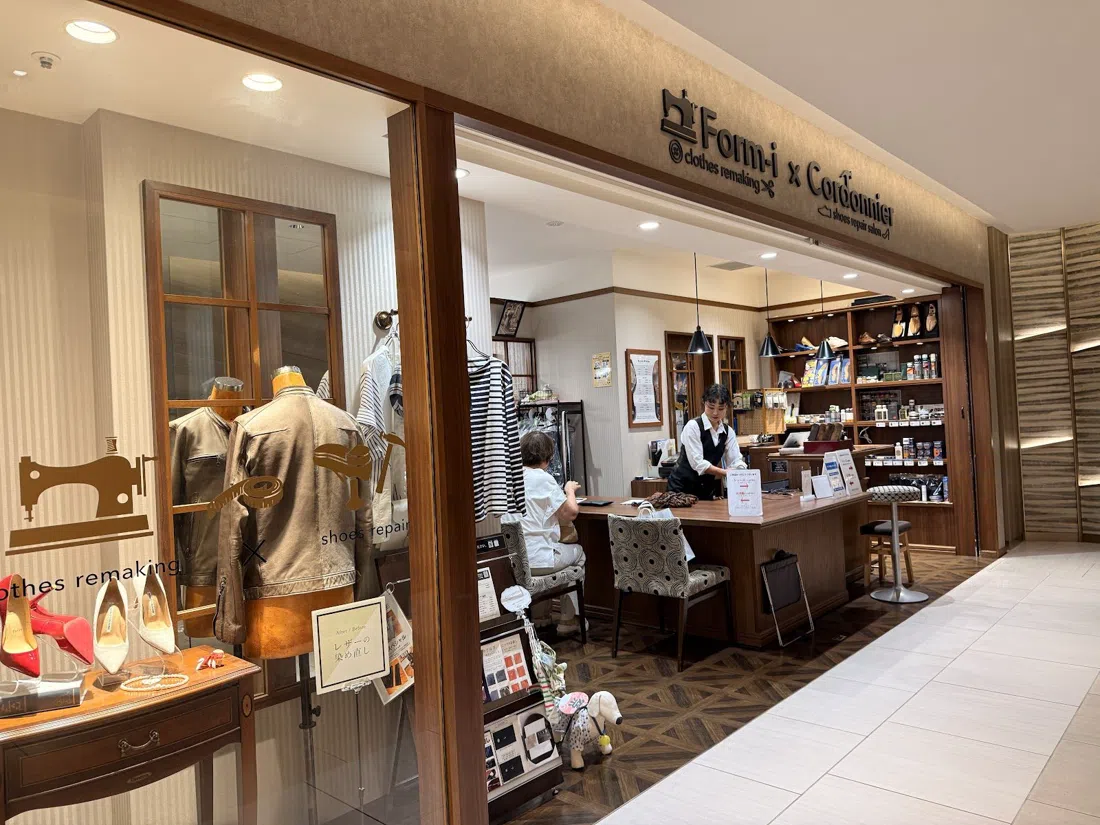
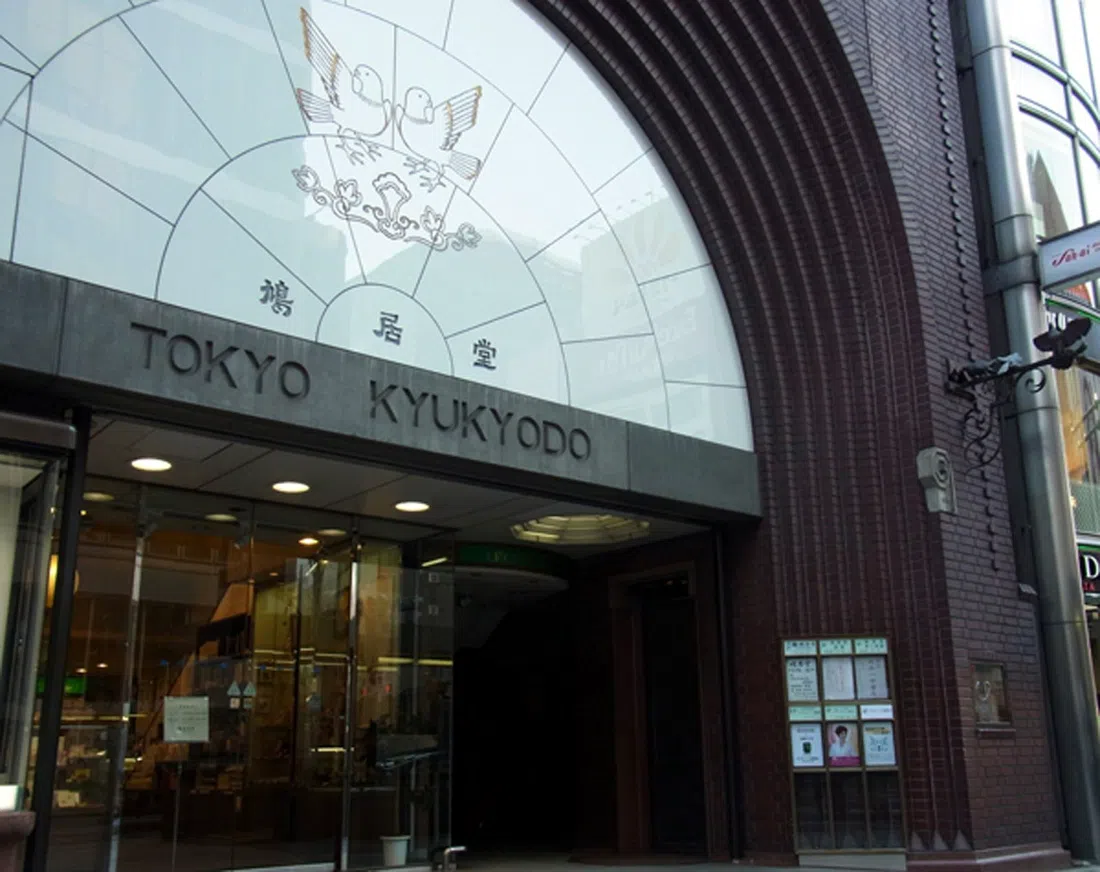
Tokyo Kyukyodo (Ginza Honten) (Chuo-dori, 5-chome) trades in paper and incense and stays open until about 19:00. The ground floor is paper; the second floor is incense and calligraphy, and most visitors never go upstairs. It is a calm room for two or three at a time. If you are with a group, brief outside and let people filter in.
Eating on the route without losing an hour
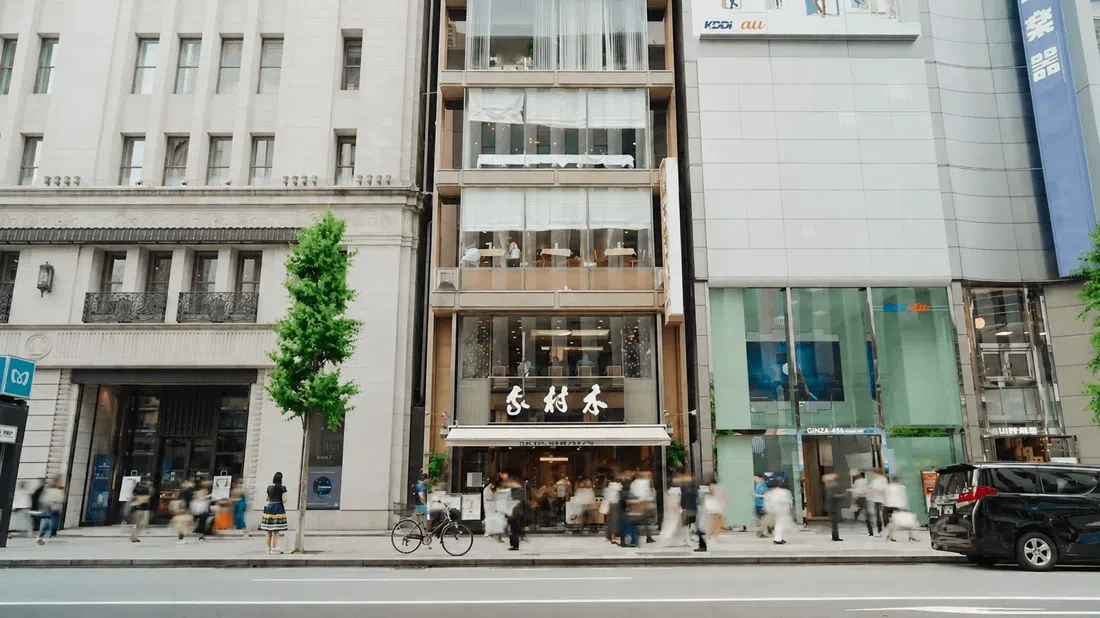
Ginza Kimuraya Sohonten is on the 4-chome crossing and is the birthplace of anpan. The ground-floor counter is a grab-and-go that handles a queue properly, anpan around ¥200 each, and it opens 10:00–20:00 every day except 31 December and 1 January, which makes it the one reliable cheap bite here whatever day you turn up. The upstairs restaurant floors cost considerably more and need a booking if there are several of you.
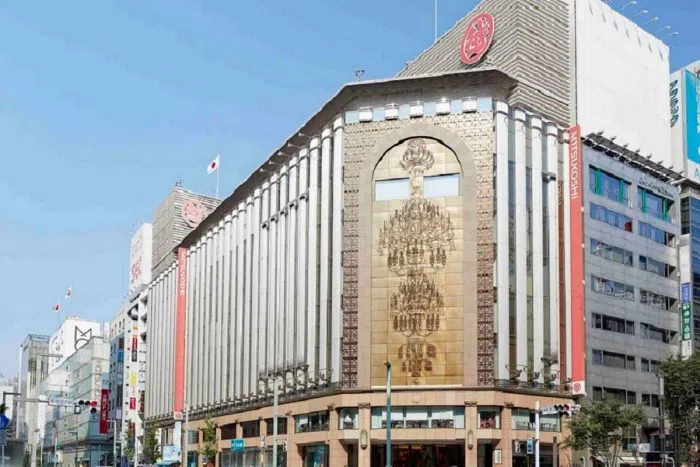
Ginza Mitsukoshi holds the opposite corner of the same crossing. The B2–B3 depachika is the cheapest good lunch on the walk, snacks from a few hundred yen, but it jams badly during the 17:00–19:00 commuter rush, so go before 11:30 or after 14:00. If you are regathering a group, do it on the 9th-floor Ginza Terrace rather than in the basement aisles.
Shiseido Parlour Salon de Café (Chuo-dori, 8-chome) takes no reservations and has a standing queue at weekends, so treat it as a stop for a pair. Parfaits run roughly ¥1,900–2,500 and change with the month. Hours are 11:00–21:00 Tuesday to Saturday and 11:00–20:00 Sundays and holidays; it is closed Mondays except public holidays, which catches people out constantly.
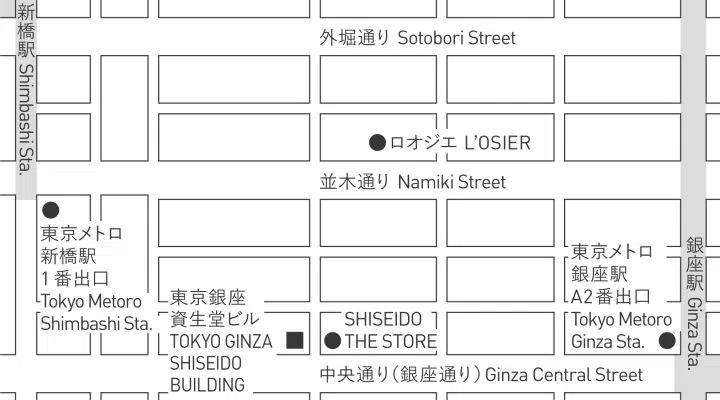
Café Paulista is at Ginza 8-9, a short walk off Chuo-dori towards the Shimbashi end, and has been trading since 1911, the oldest surviving café in Ginza. Coffee is roughly ¥700–1,000 and the beans come from contracted farms in Brazil and Ethiopia, so this is a working café rather than a heritage plaque screwed to a modern chain. Table service in a modest room: four to six people is the ceiling.

Small rooms worth the detour
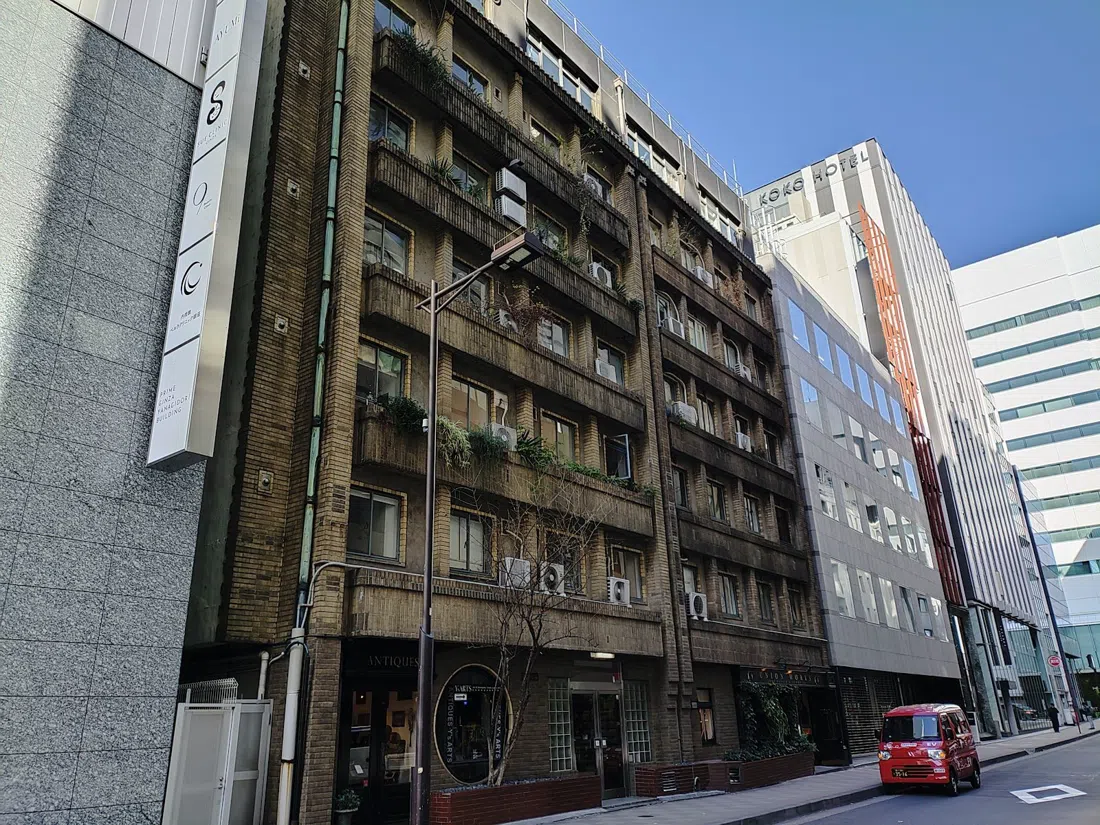
Okuno Building (Ginza 1-chome, one street off Chuo-dori) went up in 1932 as the Ginza Apartment, gained an annex in 1934, survived the war, and is now a warren of micro-galleries reached by an antique lift. Entry is free and so are the individual rooms. The corridors fit two or three people and no more, so a guide can bring a group to the entrance and that is the end of it. Most rooms open Tuesday to Saturday afternoons only, so a Sunday or Monday visit finds locked doors.
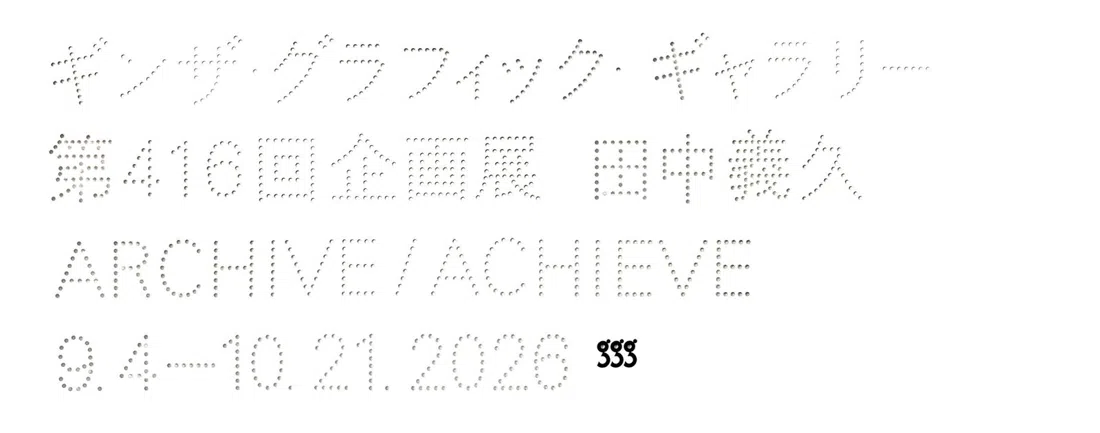
ginza graphic gallery (ggg) (7-chome) is free, needs no ticket, and is essentially one room. Open 11:00–19:00, closed Sundays and Mondays, with shows rotating about every six weeks, so look up what is actually hanging this month rather than expecting a permanent collection.
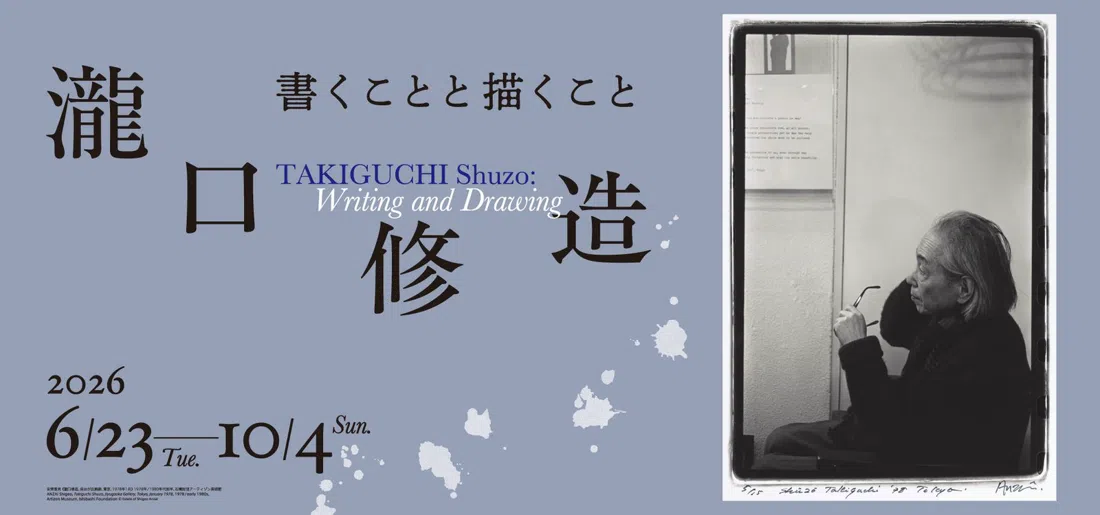
Artizon Museum (Kyobashi, about eight minutes north of the 4-chome crossing) is the serious museum within walking distance, formerly the Bridgestone Museum. Tickets are roughly ¥1,200–2,000 depending on the exhibition, reserved for a date and time and bought per person; slots fill, so a group has to book the same slot in advance rather than arrive together. Open 10:00–18:00, Fridays to 20:00, closed Mondays. That Friday late opening pairs neatly with an evening walk down Chuo-dori.
An early market and a garden before noon
Because the street closure does not start until 12:00, the best use of a September morning is east and south of Ginza.
Tsukiji Outer Market (Tsukiji, about ten minutes' walk east of the 4-chome crossing, or one stop on the Hibiya line) is still trading despite the inner wholesale market's move years ago. It closes on Sundays and Wednesdays and individual stalls keep their own calendars. Arrive around 09:00–10:00 and you get the full market without the 07:00 crush. Street bites run roughly ¥300–1,000 and a sit-down sushi set ¥2,000–5,000. The lanes are single file at peak. Food tours work here constantly, but they split into clusters of three or four, and you should too.
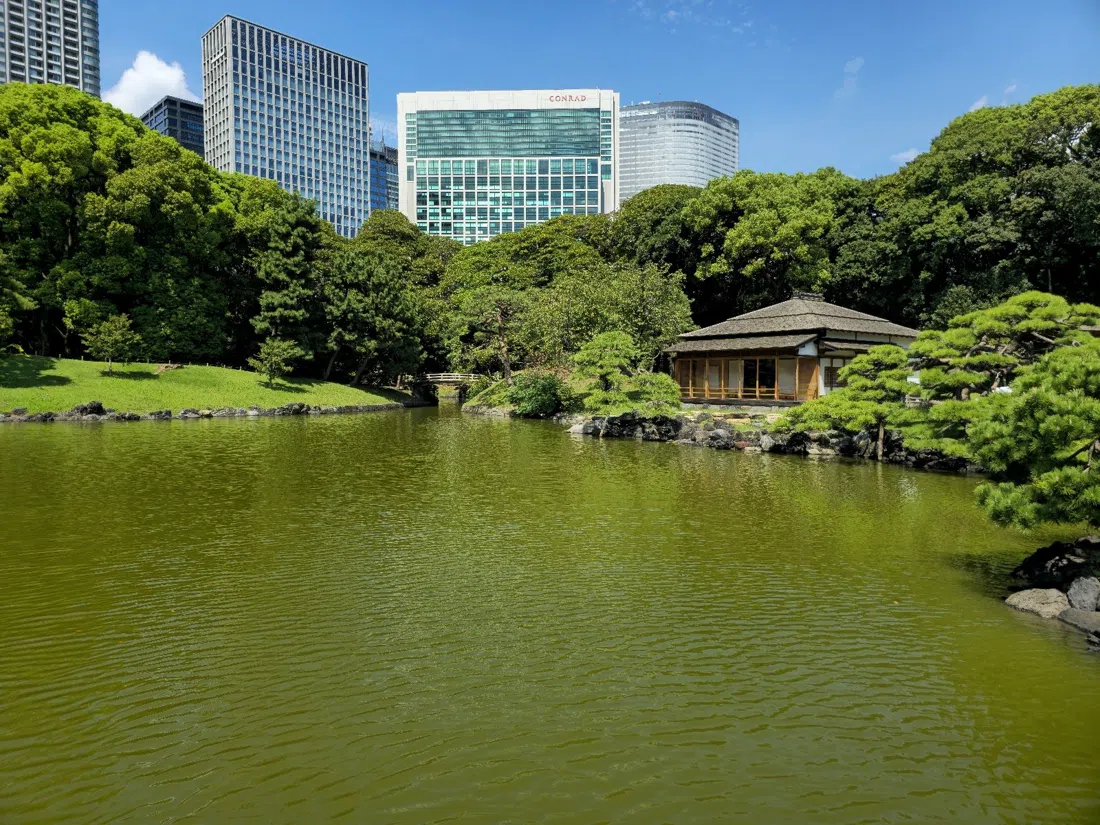
Hama-rikyu Gardens is about fifteen minutes south on foot from the market. Entry is ¥300 for adults and ¥150 for over-65s, open 09:00–17:00 with last entry at 16:30 and closed 29 December to 1 January. The grounds take any group size comfortably; the teahouse is small, so matcha and a sweet, about ¥510, gets served in shifts. That 16:30 last entry is the detail that wrecks late-afternoon plans, which is why the garden belongs in your morning, not at the end of a street walk that runs to 18:00.
So the order that works on a Saturday in September: market at 09:00, garden from about 10:30, back up to Ginza 1-chome for midday, then Chuo-dori southbound as the barriers go out.
How long it takes
The street itself is fifteen minutes. The walk as described (market, garden, both halves of Chuo-dori with three or four stops) is a full day, roughly seven hours including sitting down twice. Strip it back to Ginza alone and you have a comfortable three hours: 4-chome crossing, Seiko House on the hour, a department store basement, one stationery or paper shop, the GINZA SIX rooftop, and a single act at the theatre if the month's schedule cooperates.
Booking ahead or simply turning up
Nothing here needs booking except the museum slot and the headline exhibitions at the park. You can walk this route on the day you decide to, for the price of a coffee and a bun.
A guided option exists and is worth weighing if you want the district read to you: the shopfront histories, the pre-war survivors, which corner was rebuilt when. Guided walks here run seven days a week and start from about 108 USD per person, against a self-guided day that costs you an entrance fee and lunch. The bookable walks around Ginza carry 12,862 traveller reviews between them, with the top-rated one at 4.9 out of 5 from 4,717 reviews, so the standard is known rather than a gamble. Book ahead if you want a specific day; the trade is money for commentary and for someone else handling the theatre ticket window.
Is it worth it
Yes, with one condition: pick the right day. Ginza on a wet Tuesday is an expensive shopping street with good coffee in it. Ginza on a dry September Saturday afternoon is a closed road you can stand in the middle of, with a free rooftop garden, a free basement arcade, a free gallery, a 1932 building full of one-room galleries, and a theatre selling an hour of kabuki for the price of two coffees.
It suits walkers who like buildings and detail, couples, and anyone travelling solo, because the best rooms on this route are two-person rooms. It suits large groups less well, and you should plan for that honestly: the crossing, the rooftop, the theatre basement and the garden take any number; the paper shop, the café, the parfait salon and the Okuno corridors do not. Families with small children will find the heat harder than the walk.
Best time to go in September
A Saturday, starting at 09:00 at the market and hitting Chuo-dori at noon. Late September is marginally cooler than the first week but the humidity holds; carry water and use the department store basements as cooling stops rather than pushing through. The street closure ends at 18:00 through September, so you get a genuine evening hour with the lights on and no traffic. The best time of day for photographs on Chuo-dori is the last ninety minutes before the barriers come off.
Avoid Mondays outright: the museum is closed, the parfait salon is closed except on public holidays, the design gallery is closed, and the Okuno galleries are dark. Wednesdays and Sundays close the outer market. If rain cancels the closure, switch the day to the indoor version, museum and theatre and department store and stationery, and come back for the street.
Practical notes
Transport. Ginza Station (Ginza, Marunouchi, Hibiya lines) puts you at the 4-chome crossing. Higashi-ginza (Hibiya, Toei Asakusa) exit 3 leads directly into the theatre's basement arcade. Yurakucho on the JR Yamanote line is about five minutes' walk from Ginza 1-chome, and Shimbashi covers the 8-chome end. An IC card handles all of it; you will not need single-journey tickets.
Cash. Department stores, the museum and the big complexes take cards. The market stalls, the older café and some of the small shops are happier with cash, and the theatre's same-day window is a cash-friendly queue. Carry ¥5,000–10,000 in notes and coins for a day of this.
Budget. A self-guided day runs about ¥300 for the garden, ¥500 for tea, ¥1,000–2,500 for a single kabuki act, ¥1,200–2,000 if you add the museum, and ¥1,000–3,000 on food depending on whether lunch is a bun or a sushi set. Everything else is free: the street, the rooftop, the design gallery, the 1932 building, the corner clock.
Timing. Nothing on this route opens before 09:00 except the rooftop garden; nothing important stays open past 21:00. Plan around the 16:30 garden cut-off and the 17:00–19:00 depachika rush.
Staying nearby. Ginza is compact and well served, and sleeping inside the district buys you the 07:00 rooftop and the empty early-morning streets. See the Tokyo hotel search for what is available in your window, and the wider Tokyo guide for how Ginza connects to the rest of the city.