The Tokyo issue
Kagurazaka's Bakeneko Cat Parade, One Sunday in Tokyo
Before 11 October 2026, sort out the ¥500 badge, the strict cat-only costume check, and where you will eat when every restaurant on the hill has a queue.
By Lukas BrandtTokyo on foot, timed to the temple gates
The slope that climbs from Iidabashi up to Okubo-dori is a ten-minute walk on an ordinary Sunday. On Sunday 11 October 2026 it takes closer to an hour, because the Kagurazaka Bakeneko Festival puts several thousand people in cat costume onto it at parade pace and the pavement on either side stands three deep from mid-morning. Watching costs nothing. Walking in it costs ¥500 and a costume check stricter than most visitors expect, and which of the two you pick is the only decision the day asks you to make.
The shape of the day
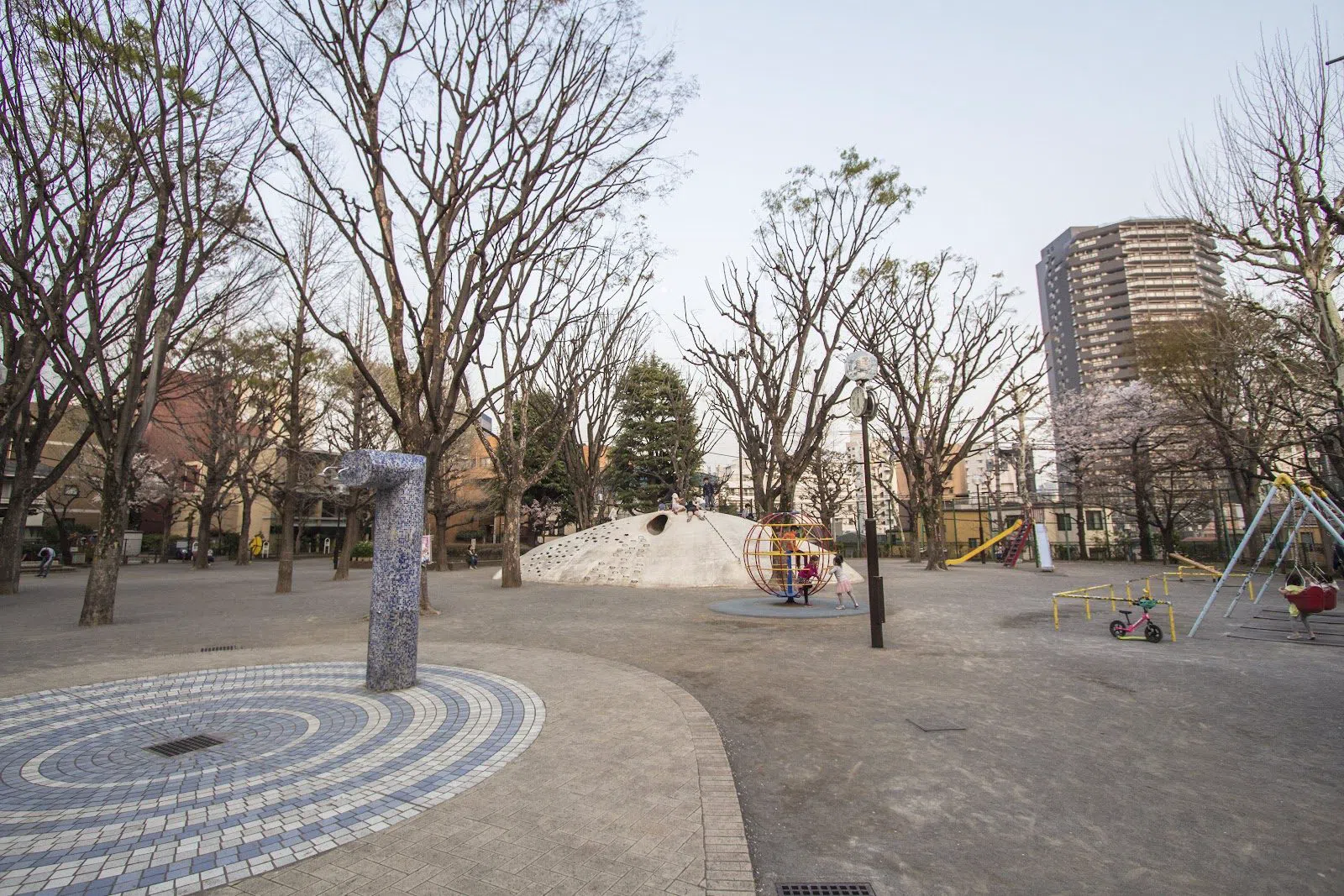
The festival runs 10:00 to 17:00 along the Kagurazaka main street and in Shirogane Park (Kagurazaka, three minutes on foot from Kagurazaka station on the Tozai line, five from Ushigome-Kagurazaka on the Oedo line), which is the official second venue rather than an overflow area. Four parades break the day into blocks: a brass band at 12:20, samba at 14:30, early instruments at 15:20 and the finale at 16:30. While a parade is moving, nothing else on the hill works. Shop doorways fill up, crossing the street stops being an option, and anyone trying to reach a table is going nowhere.
That rhythm is your plan. The gaps between parades are for eating, buying and seeing the temple; the parade slots are for standing still in one place you have already chosen, or for slipping into a side lane. Shirogane Park matters more than its size suggests: it is the only point in the immediate area with public toilets and enough room to stand without being moved along, which makes it the regroup spot for anyone travelling in a group of more than three. Fix it as the meeting point before you arrive. Phone signal in a packed street is unreliable, and the hill has enough parallel lanes to swallow people for half an hour at a time.
Plan your Tokyo trip
Live prices from our booking partners.
Free cancellation on many rooms. We may earn a commission when you book.
Watching from the pavement or walking in the parade
Spectating at the Kagurazaka Bakeneko Festival (Kagurazaka main street and Shirogane Park) is free, unticketed and open to any number of people. You turn up, stand on the pavement and watch four parades go past. For most visitors that is the right call, particularly if you are passing through with luggage or on a tight day.
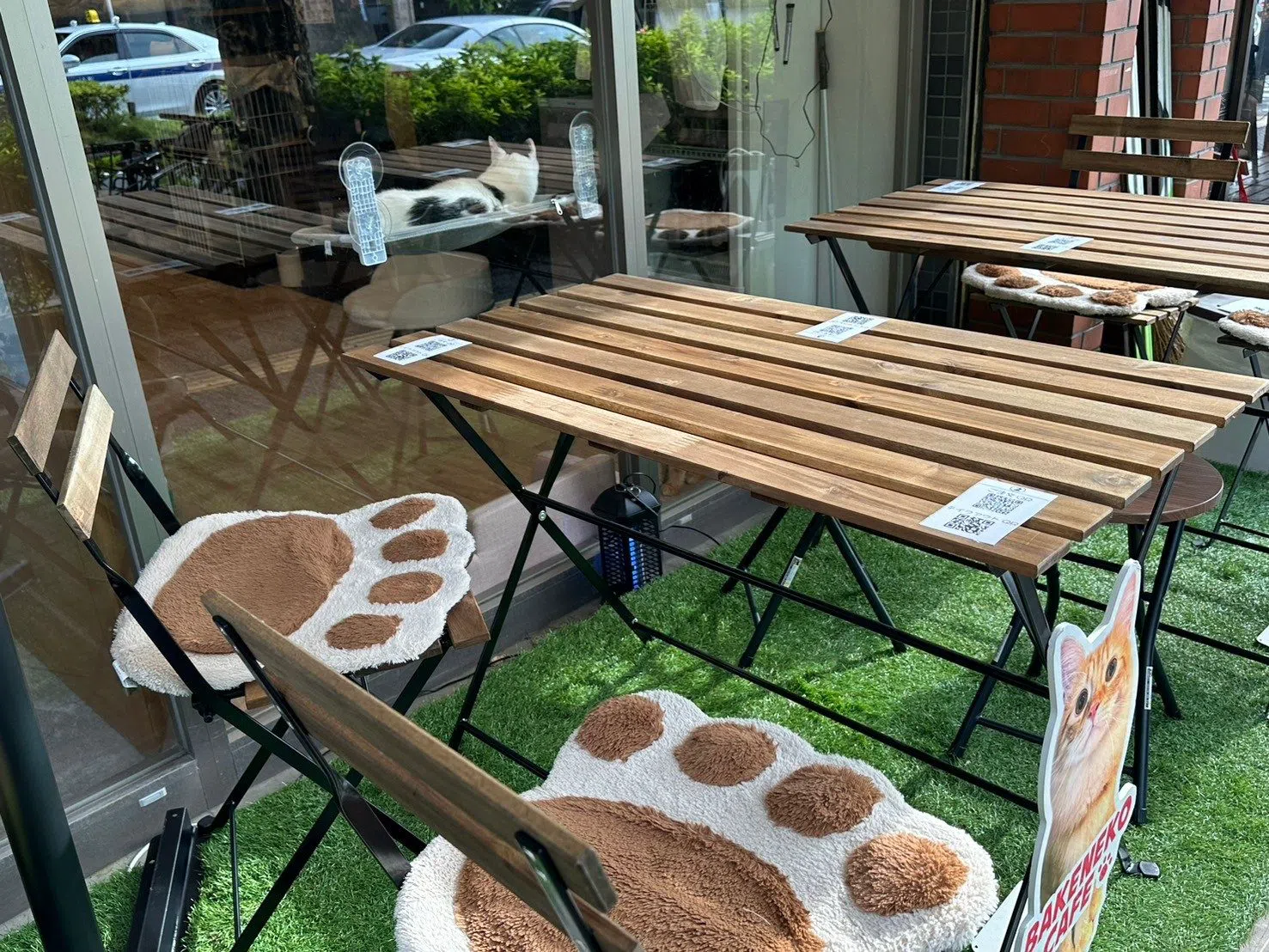
To walk in the parade, every person in your party buys their own Neko-machi passport badge at the reception in Kagurazaka 6-chome. There is no group rate and no single badge covering a family. Citizen Cat is ¥500 and puts you in the line. Noble Cat is ¥1,000 and gives you your own lane plus a ¥100 coupon. Royal Cat is ¥5,000 and buys a place at the front of the parade, a ¥500 coupon, a photo session and, more usefully than any of that, access to a changing room. If you are not staying within walking distance and would otherwise be riding the Tozai line in full cat costume, the changing room is most of what you are paying for.
The costume rule catches people out, and it is enforced at the line rather than at the badge counter. Cat only. Ghosts, zombies and generic Halloween outfits are turned away, and weapon-like props are banned outright. Ears, whiskers and a painted nose clear the bar; a horror costume with a cat mask on top does not. Buying the badge does not override the check, so settle the costume before you settle the tier.
The temple on the route and the shrine above it
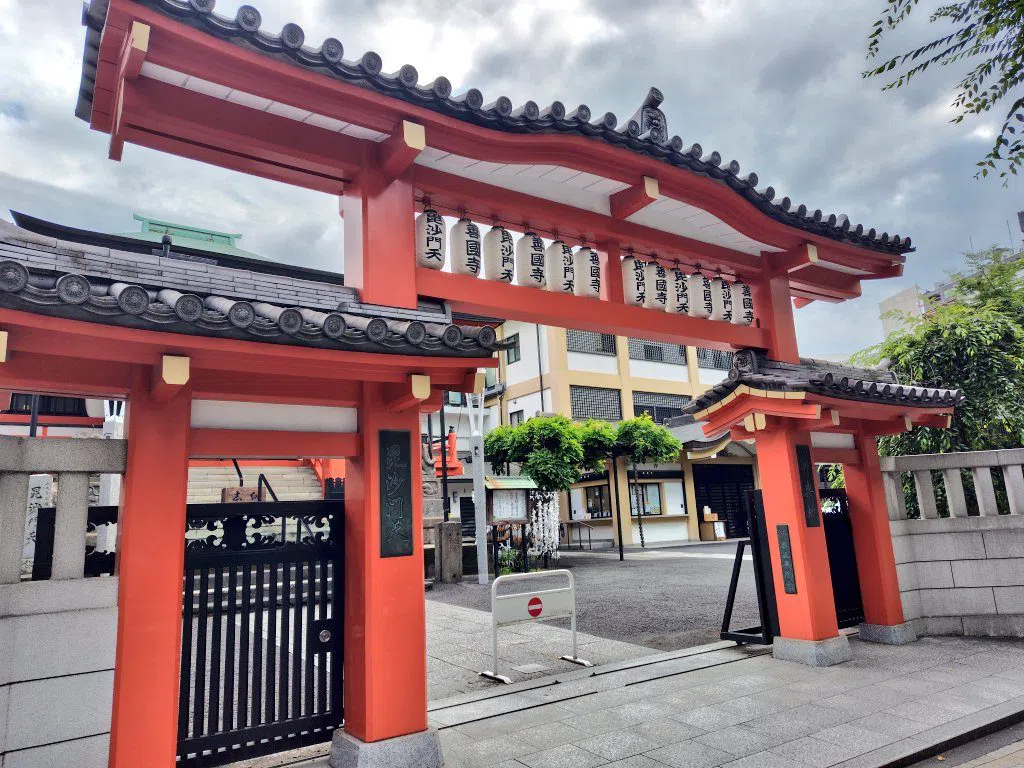
Zenkokuji Temple, also called Kagurazaka Bishamonten (Kagurazaka main street), sits directly on the parade route, which makes its gate the obvious landmark for a group strung out along the hill. It was founded in 1595 and is one of old Edo's three Bishamonten temples. The grounds are free and need no booking, though the hall itself is small and will not hold a crowd. In October you get grounds and gate only: the main image is unveiled on set days, in 2026 on 4 and 16 January, 4 May and 1 September. A goshuin seal is ¥500 and the queue for it is short compared with everything else on the street that day.
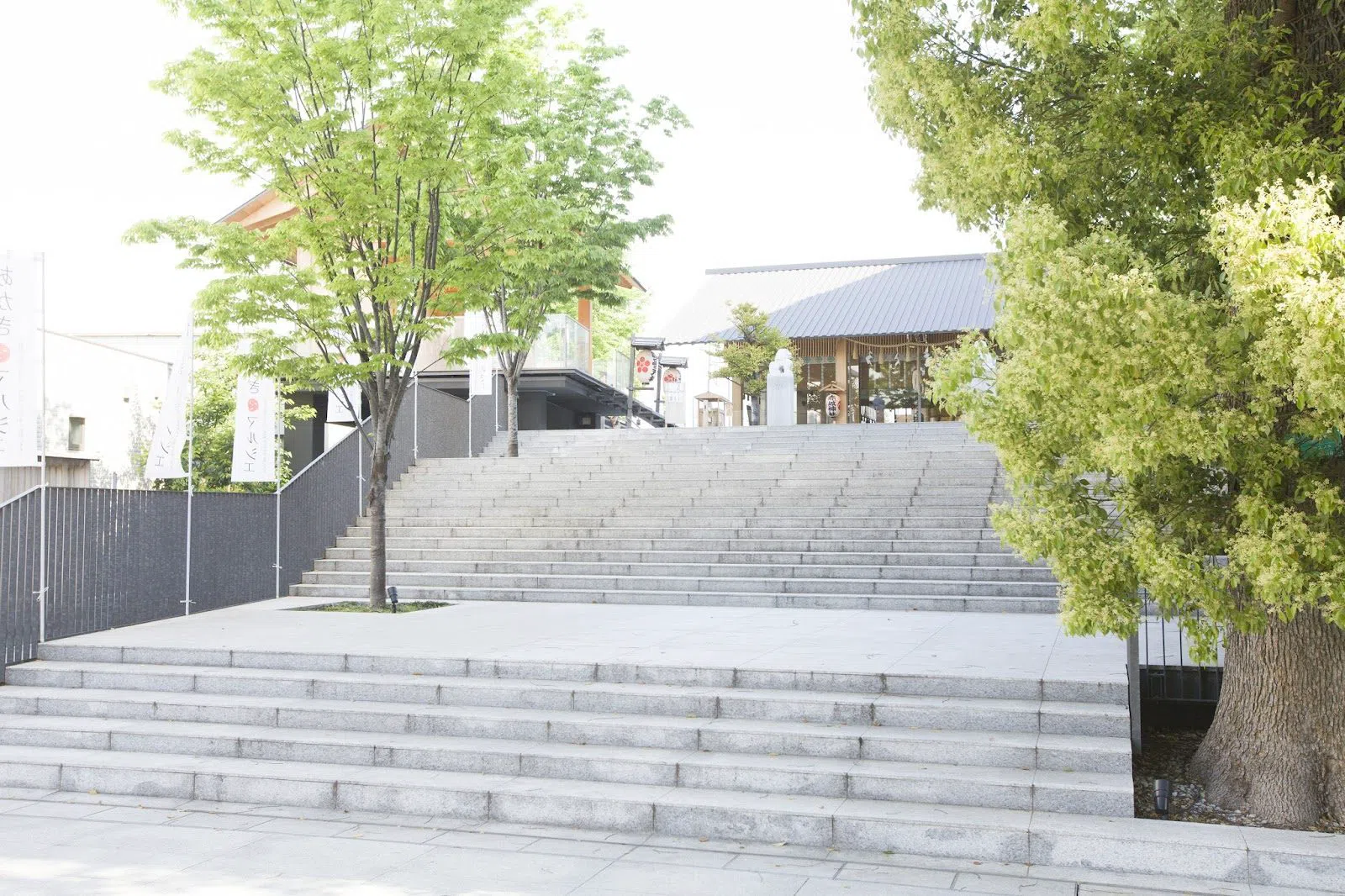
Akagi Shrine (Kagurazaka, five minutes above the main street) is the one piece of contemporary architecture in the district worth a detour: Kengo Kuma's 2010 rebuild, glass and timber, set in wooded grounds. On 11 October its value is acoustic. It is the quietest place you can reach within five minutes of the parade noise, and the grounds are open with no booking. The on-site Akagi Café takes groups but is small, dishes run roughly ¥1,000 to ¥2,000, and it closes at 17:00 on Saturdays, Sundays and holidays, the same hour the festival finishes, so treat it as a mid-afternoon stop rather than a post-finale one. The shrine's own grand festival falls on 19 and 20 September 2026, a separate weekend entirely; if someone has told you Kagurazaka has two festivals, that is the other one.
The lanes the parade never goes down
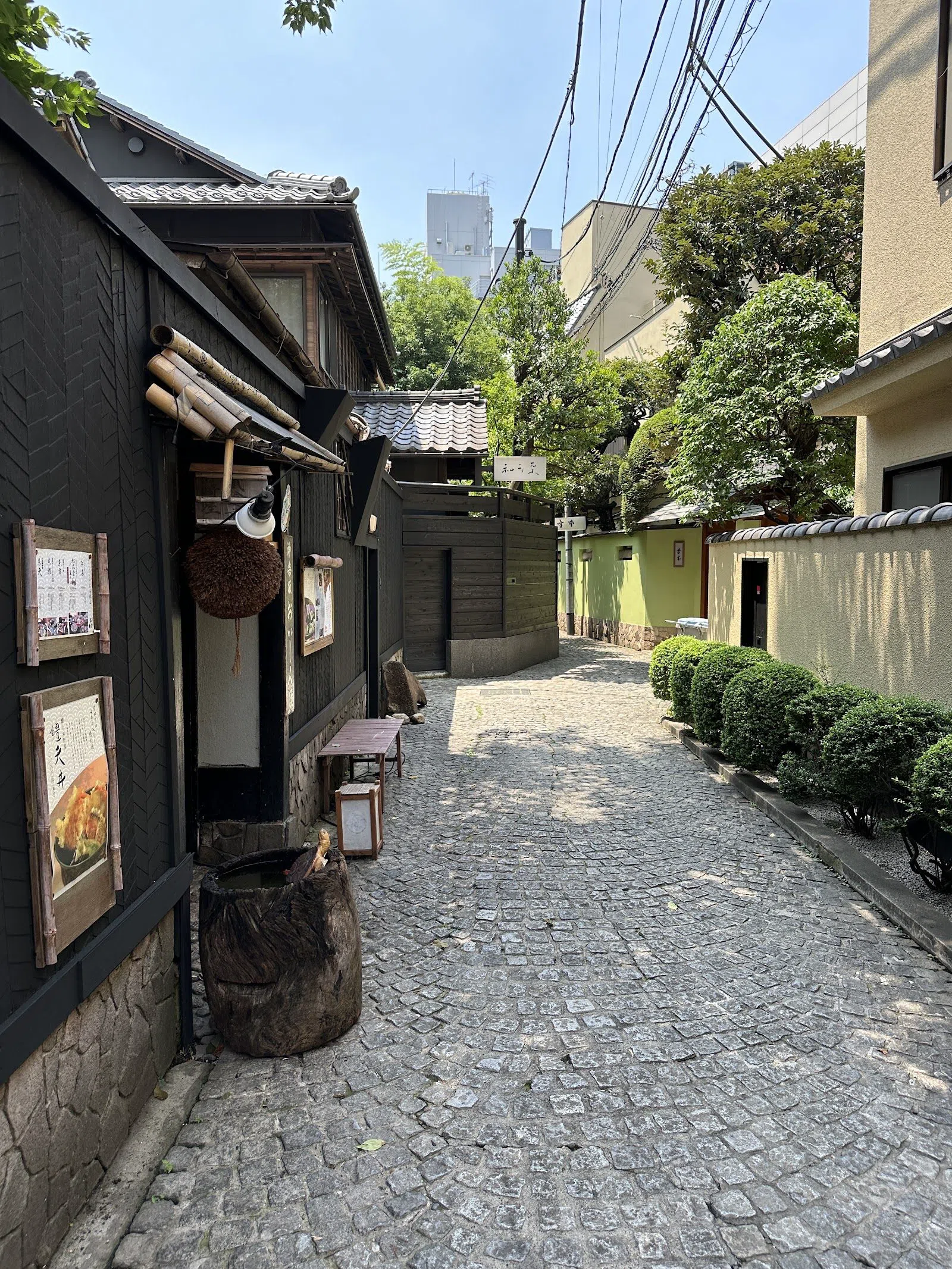
Hyogo Yokocho (behind the Kagurazaka main street) is said to be the oldest street here, named after a Sengoku-era armoury, and it has the ward townscape award to show for it. This is the geisha-quarter Kagurazaka that survives behind the costumes: black timber fences, stone paving, discreet doors with no menus outside. It is free to walk and open at any hour, but it is genuinely narrow. A group of more than six standing in it blocks it for everyone else, including residents, so walk it in single file and keep moving.
Running parallel is Kakurenbo Yokocho, worth a slow look down at your feet: 28,000 pinkoro cobbles, with heart, diamond and star shapes hidden among the squares. Time both lanes for the twenty minutes a parade is on the main street. That is when they empty out, and the contrast between a samba band forty metres away and an empty stone alley is the best thing the day gives you for free.
Eating on a day when every restaurant has a queue
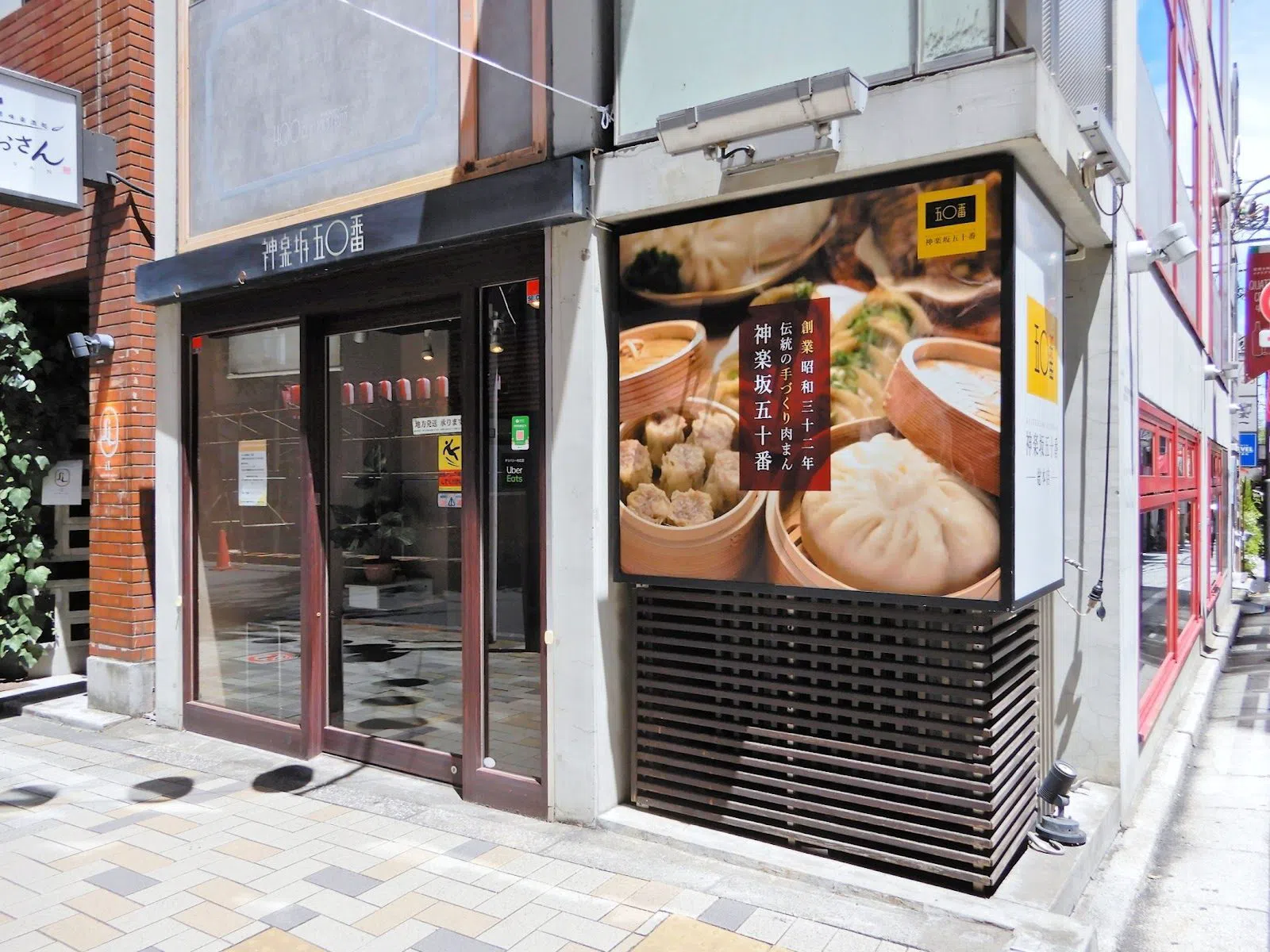
Plan lunch as something you carry. Ganso Gojuban Kagurazaka Honten (Kagurazaka 6-4, a minute from Ushigome-Kagurazaka exit A3) has been selling steamed buns here since 1957 and is a pure takeaway counter, no seats, ¥300 to ¥600 per bun, open until 20:00, so it deals with a group of any size in a couple of minutes while the restaurants on the hill are quoting an hour. One caution: it is a different business from Kagurazaka Gojuban Sohonten at the bottom of the slope, and the two get confused constantly.
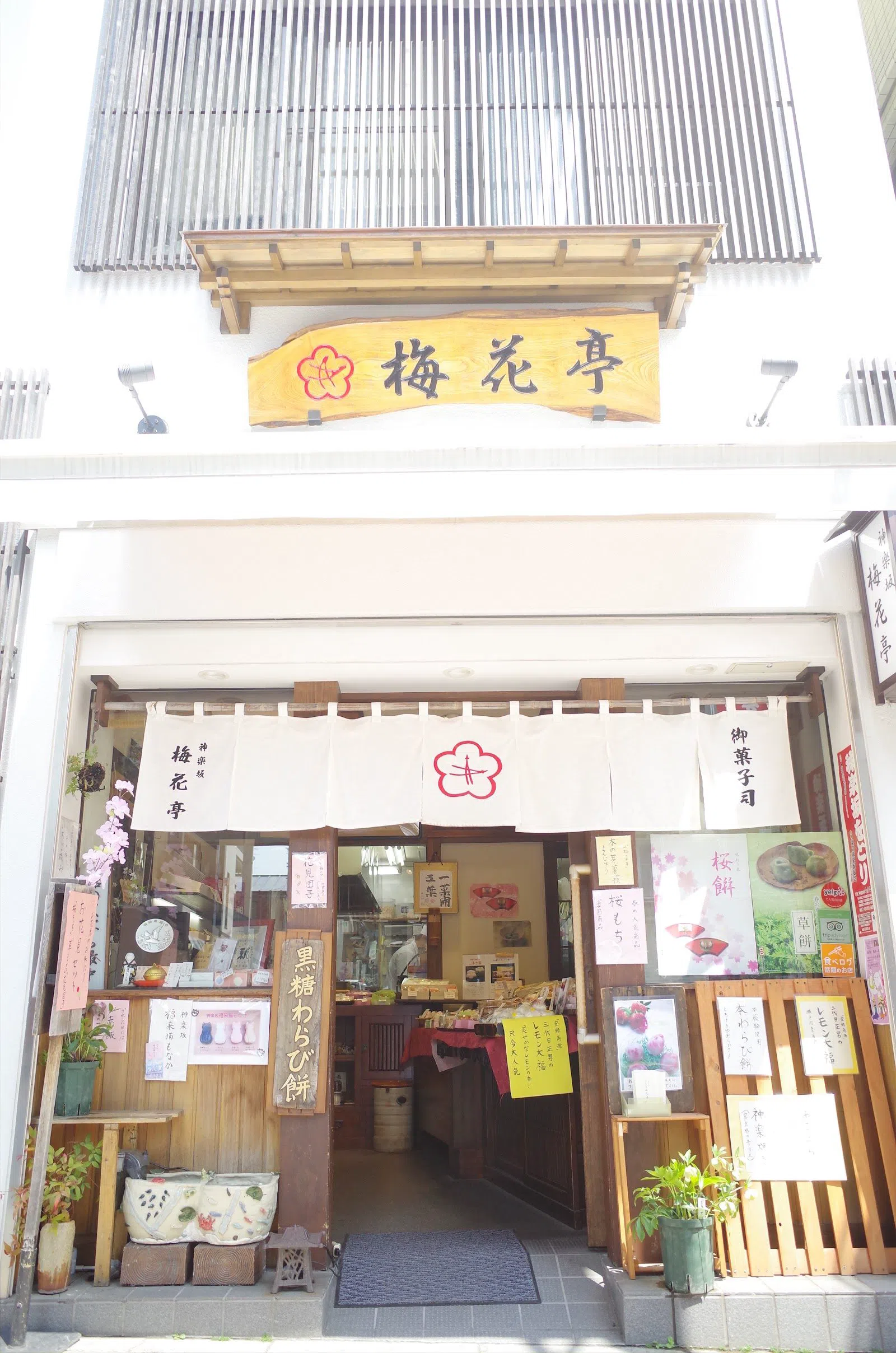
Kagurazaka Baikatei (Kagurazaka 6-15) is the wagashi stop, trading since 1935, open 10:00 to 19:00 and closed Wednesdays, which the festival Sunday clears. Pieces are ¥200 to ¥500 and boxed assortments ¥1,500 to ¥4,000. Buy here rather than at a station counter because the sweets are additive-free, domestically sourced and made the same morning. There is no seating at all, so it works for any group size. The second branch in PORTA Kagurazaka is the same operator if the main shop is jammed.
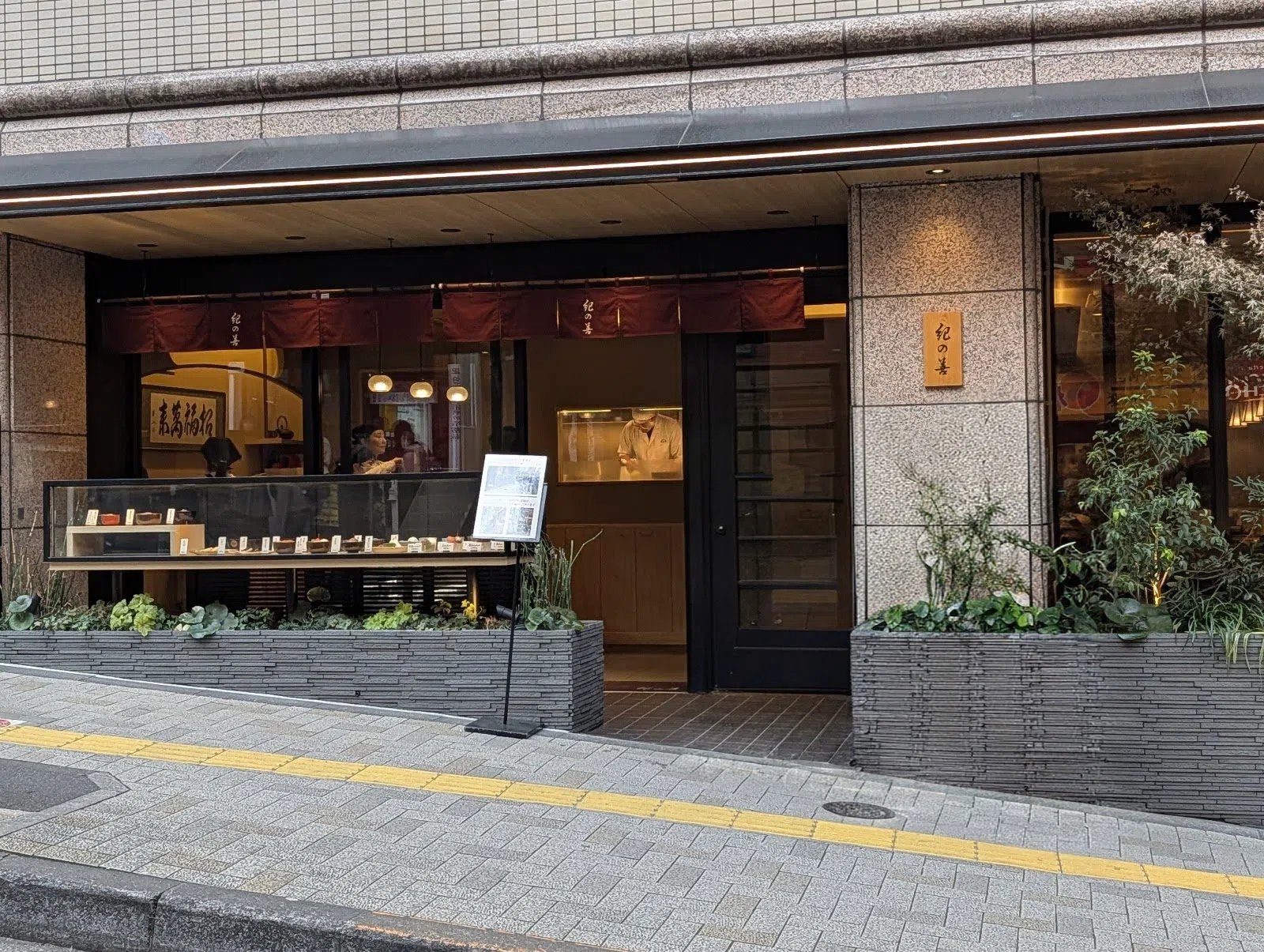
Kinozen Kagurazaka (Sawaya Building, Kagurazaka 2-12-15) is the 160-year-old sweets parlour that closed in September 2022 and reopened on 18 July 2025 with the original matcha bavarois and anmitsu recipes intact, at ¥900 to ¥1,600 per sweet. It opens at 11:00, takes no reservations, and closes when the day's stock has gone, which on festival Sunday will be early. It is a small counter-and-table shop, so a group of more than four should expect to split across tables or queue. If Kinozen is on your list, go before the 12:20 parade and accept that you are eating dessert at lunchtime.
Somewhere to sit down properly
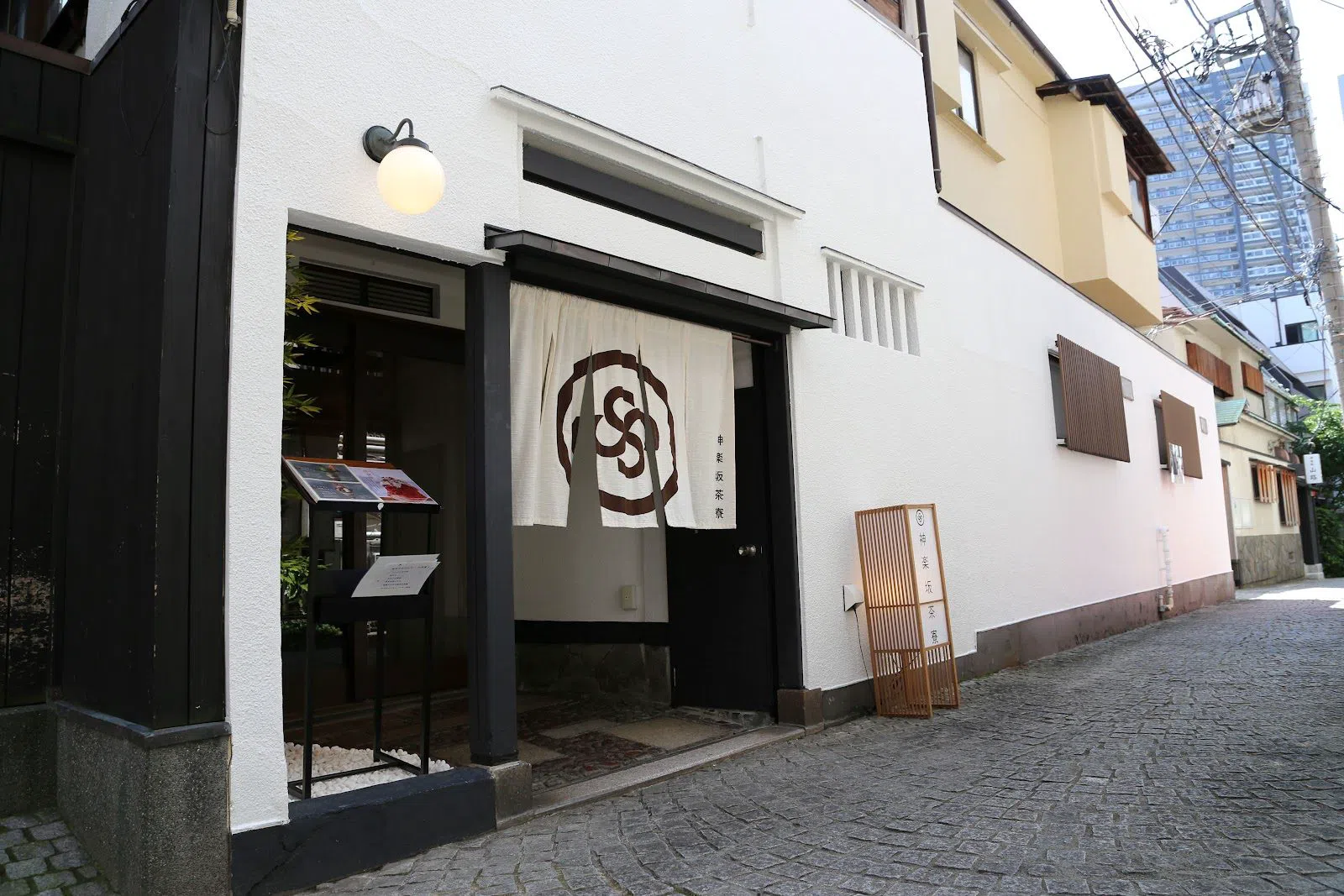
Kagurazaka Saryo Honten (Kagurazaka 3-1) has been trading since 2003 and was rebuilt on its current site in March 2022. Sweets are ¥1,200 to ¥2,200, savoury sets ¥1,800 to ¥3,000, and it takes groups and reservations. Ask for the terrace, which is the part worth having and fills fast at weekends. Its advantage on 11 October is the 22:00 close: it is the rare Kagurazaka sweets option still serving well after the 16:30 finale has emptied the street.
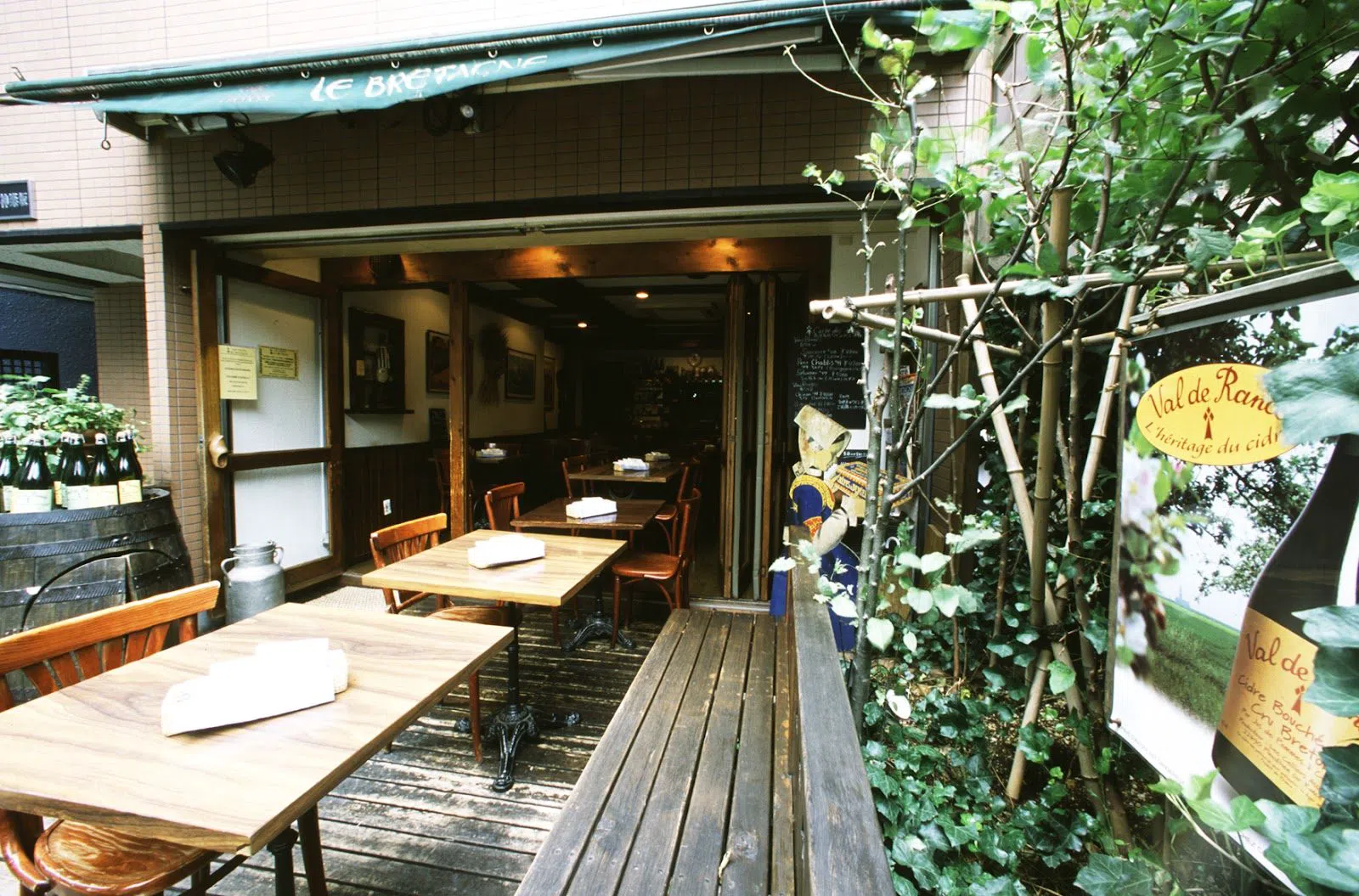
Cafe Creperie Le Bretagne Kagurazaka (Kagurazaka 4-2) opened in 1996 as Japan's first creperie and is the single reason the district picked up its French reputation. Since the 2022 refit the casual cafe and cidre bar is separated from the main restaurant, which matters if you are six people who have just walked a parade and are not quiet: you fit in the front half without ruining anyone's dinner. Galettes are ¥1,400 to ¥2,400, cider by the bolée from about ¥700, dinner ¥3,000 to ¥5,000. It opens 11:30 to 22:00 on weekdays and from 11:00 at weekends, so it covers the festival start to finish.
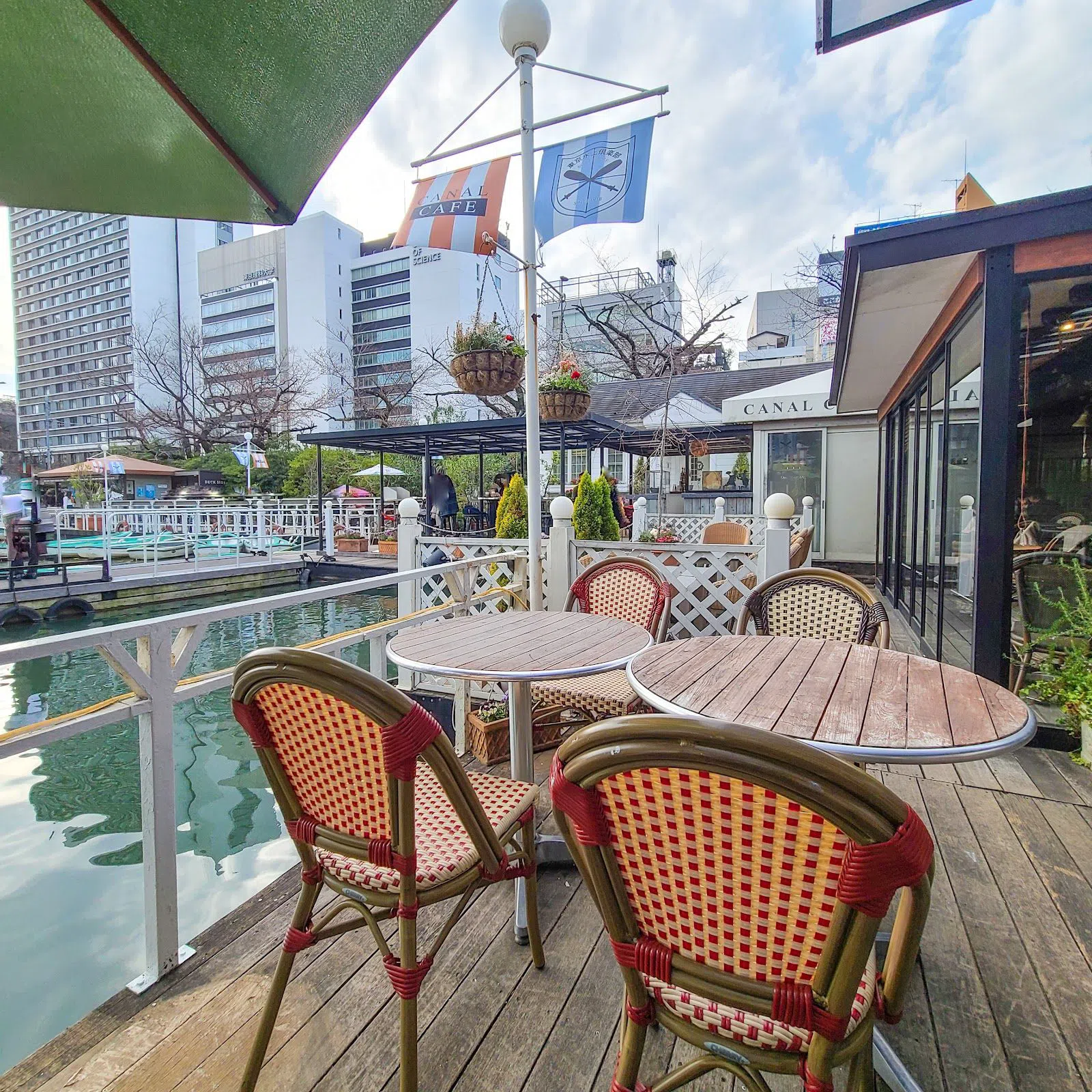
Canal Cafe (Kagurazaka 1-9, at the foot of the hill) is the decompression stop, converted from the 1918 Tokyo Suijo Club boathouse and sitting right on the water. Deck Side is self-service and absorbs walk-in groups easily at ¥700 to ¥1,800 for drinks and light food; Restaurant Side books parties and weddings, so reserve if there are more than six of you and expect ¥2,000 to ¥4,000 for mains. The rowing boats are ¥1,000 per 30 minutes for two and run 11:30 to 16:00, so they stop before the finale. If you want the boat, take it in the gap after the 14:30 samba parade.
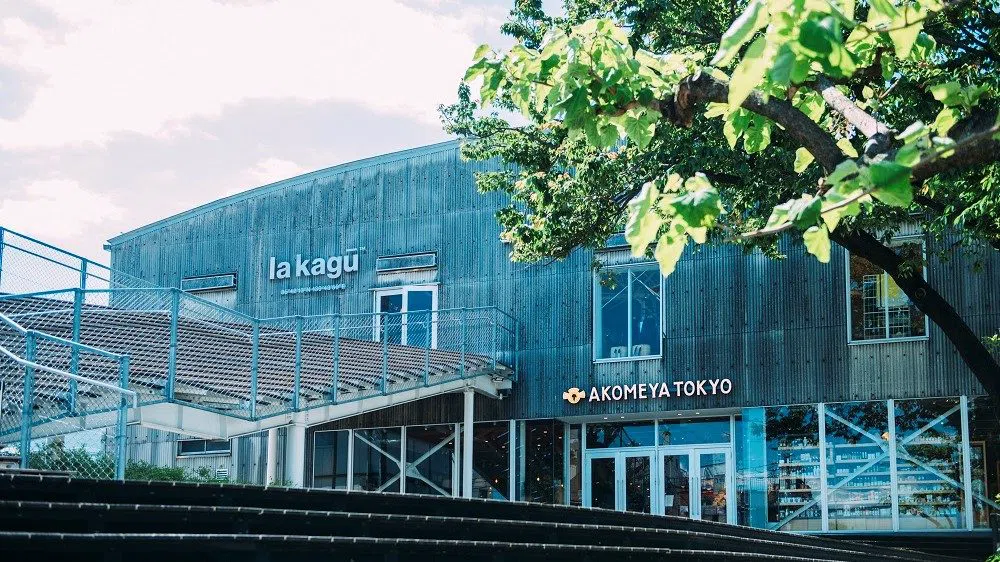
AKOMEYA TOKYO in la kagū (67 Yaraicho, five minutes above the parade route) is the Kuma warehouse conversion and the best single stop for edible souvenirs that survive a flight: rice, seasonings and homeware at ¥1,000 to ¥8,000, open 11:00 to 20:00, free to browse in any number. The in-house cafe does dishes at ¥1,200 to ¥2,500 but is small and will not hold tables for a large group. The wide outside steps are the district's default sitting-down spot and cost nothing.
Dinner for the night before or the night after
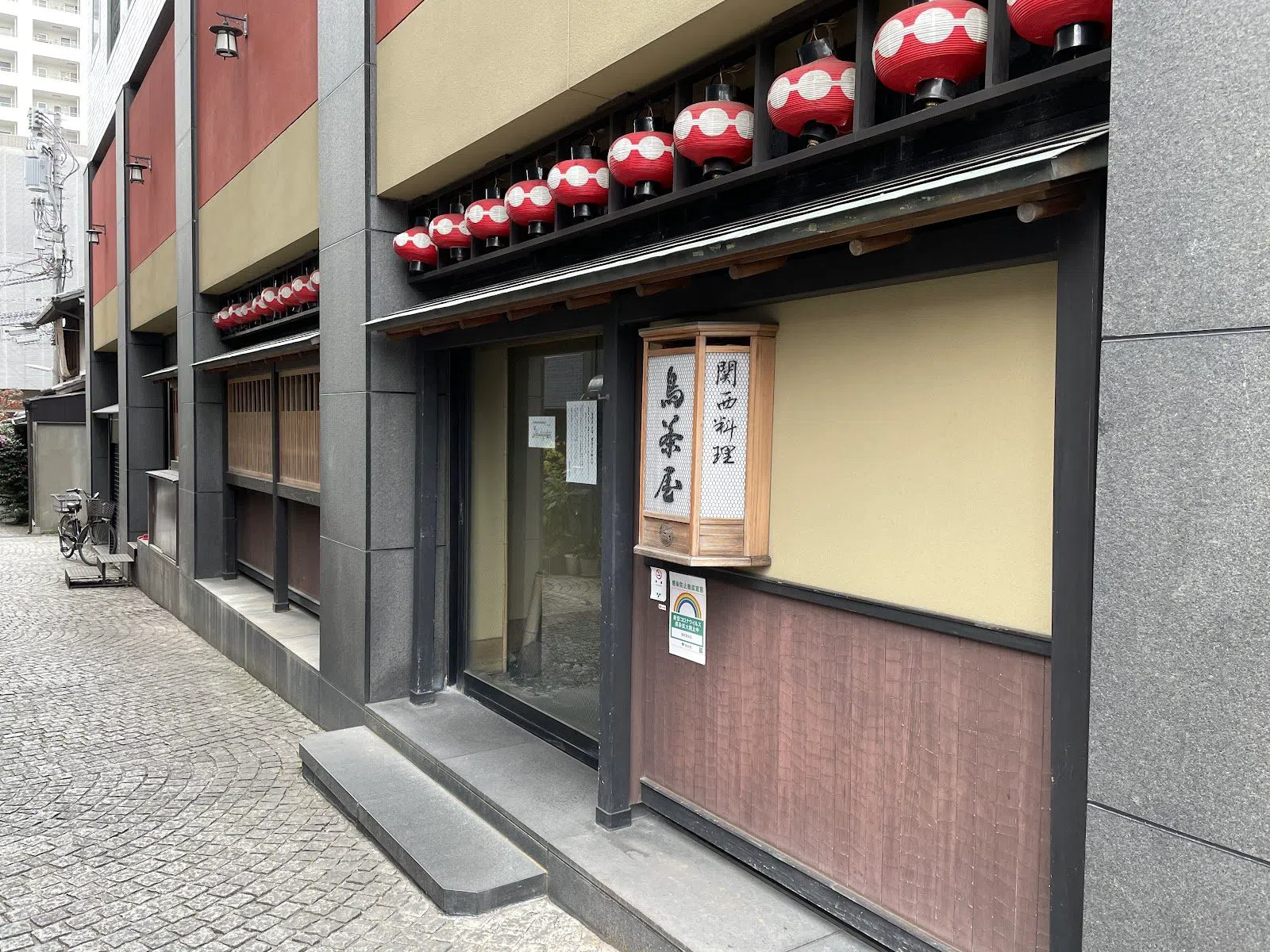
Bettei Torijaya (Kakurenbo Yokocho, Kagurazaka) is the Kansai kaiseki and udon-suki house, and it is the most reliable way for a group to eat somewhere that actually looks like old Kagurazaka: private tatami rooms, course bookings, and a hotpot format that only makes sense shared. Lunch runs ¥1,800 to ¥3,500 with last orders at 14:00, and the oyakodon is the cheap way in; dinner courses are ¥6,000 to ¥12,000. On festival day the 11:30 to 14:00 lunch window collides with the first parade, so book it for a different day unless you skip the brass band.
Kagurazaka Ishikawa (Kagurazaka 5-37) has held three Michelin stars continuously since 2019 and through the 2026 guide, and it anchors the 21 Michelin-listed restaurants packed into this small hill. There are four private rooms alongside the counter, so a small group is possible, but this is a six-to-eight-week-ahead reservation with a high room minimum, and omakase runs roughly ¥40,000 to ¥50,000 per person before drinks. Book it for the night before or the night after. Nobody arrives at a three-star counter having spent seven hours in a crowd.
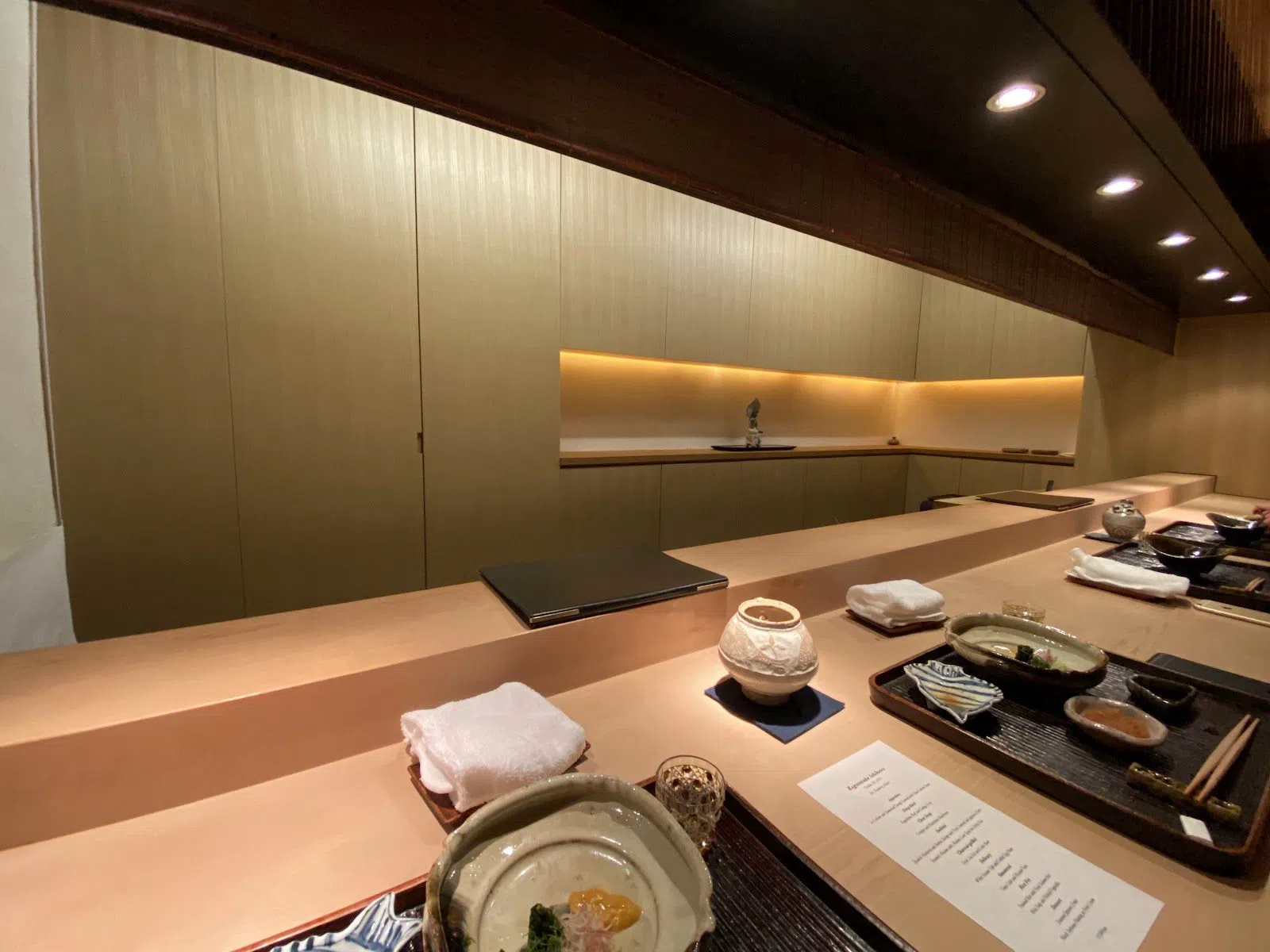
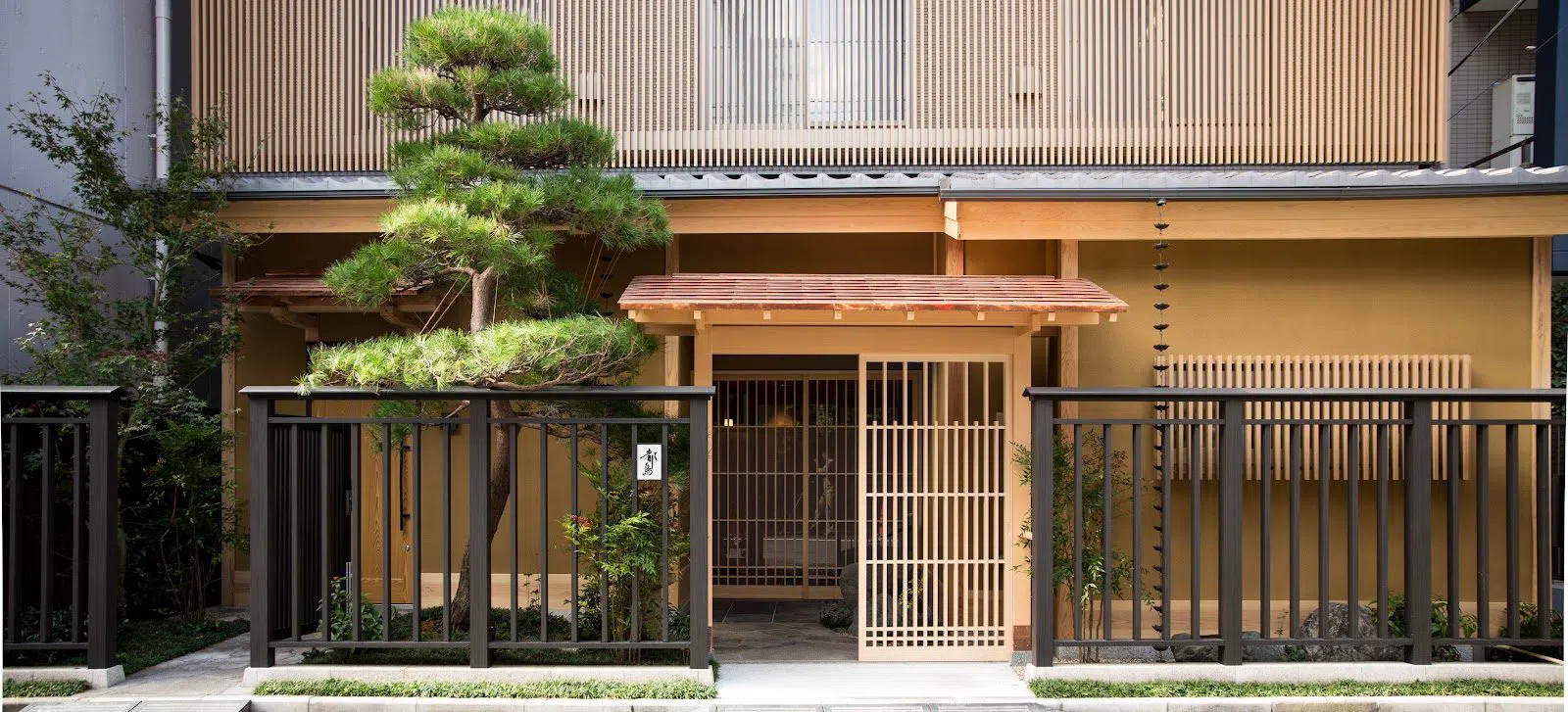
Ryotei Maki (Kagurazaka) is the working hanamachi the parade walks straight past: a roughly 50-year-old ryotei run by a geisha proprietress, taking private bookings for one to eight guests with an English-speaking guide included, which is rare here, since most ryotei still work on introduction. You get kaiseki, private dance and shamisen, and ozashiki party games, from about ¥110,000 (€705) per person. That is a serious number, and what it buys is a genuinely closed room rather than a staged performance. Dates are released months ahead, so if you want it in the same weekend as the festival, book well before October.
Where to base yourself
Staying inside the district is the difference between a costume change taking five minutes and taking an hour on the Oedo line. Kagurazaka itself has few large hotels, but Iidabashi at the bottom of the slope is on five lines and puts you within a ten-minute walk of the reception desk, so start a Tokyo hotel search around there and work outwards. If you are building the rest of the trip around this Sunday, the wider Tokyo guide covers the districts you can reach easily on a festival-free day.
Practical notes
Kagurazaka station (Tozai line) is three minutes from Shirogane Park. Ushigome-Kagurazaka (Oedo line) is five minutes away and its exit A3 puts you a minute from the bun counter at the top of the hill. Iidabashi sits at the bottom of the slope and is the best arrival point if you want to walk the full length of the street uphill. Use the top-end stations if you are going straight to the badge reception in 6-chome.
Carry cash. The takeaway counters, the goshuin desk and the badge reception are all small operations, and a ¥500 badge or a ¥300 bun is not where you want to discover a card reader is down. ¥10,000 in small notes covers a normal day comfortably.
Arrive by 10:30 if you are joining a parade, because the reception queue builds and the costume check is at the line, not the desk. If you are watching, 11:30 is enough to claim pavement for the 12:20 brass band. Do your shopping and sweets between 10:00 and 12:00, walk the lanes during a parade, and keep 17:00 onwards free for a proper sit-down while the street clears.
A spectator's day of buns, a wagashi box and a coffee comes in around ¥3,000 to ¥4,000 per person. Walking in the parade adds ¥500 to ¥5,000 depending on tier. Add a sit-down lunch and sweets at ¥2,000 to ¥3,000, and a normal festival Sunday lands near ¥8,000. The kaiseki and ryotei options above sit in a different bracket entirely and belong on a different night.
It rains in Tokyo in October, the parade is outdoors, and the costumes are largely cardboard and fabric. Pack a compact umbrella and keep Akagi Shrine's wooded grounds and the AKOMEYA steps in mind as the two places to wait out a shower without buying anything.
Before you go
How much does it cost to walk in the Bakeneko parade?
Watching from the pavement is free. To walk in the parade, every person buys their own Neko-machi passport badge at the Kagurazaka 6-chome reception: ¥500 for Citizen Cat, ¥1,000 for Noble Cat (own lane plus a ¥100 coupon), or ¥5,000 for Royal Cat (front of the parade, changing room, ¥500 coupon and a photo session). There is no group or family rate.
Can I wear a normal Halloween costume?
No. The costume rule is cat-only, and staff enforce it at the parade line, not at the badge desk. They turn away ghosts, zombies and generic Halloween outfits, and weapon-like props are banned. Ears, whiskers and a painted nose are enough to pass; buying a badge does not exempt you from the check.
What time should I arrive on 11 October 2026?
The festival runs 10:00 to 17:00. Arrive by 10:30 if you are joining a parade, because the reception queue builds through the morning. If you are only watching, 11:30 gives you time to claim pavement before the 12:20 brass band. The other parades are at 14:30 (samba), 15:20 (early instruments) and 16:30 (finale).
Where can I eat without queueing for an hour?
Use the takeaway counters. Ganso Gojuban Kagurazaka Honten at Kagurazaka 6-4 serves steamed buns at ¥300 to ¥600 in a couple of minutes, and Kagurazaka Baikatei at 6-15 sells wagashi from ¥200 with no seating at all. For a sit-down, Kagurazaka Saryo Honten stays open until 22:00, so eat after the 16:30 finale rather than during the day.
Which station is best for the festival?
Kagurazaka station on the Tozai line is three minutes from Shirogane Park, and Ushigome-Kagurazaka on the Oedo line is five minutes away, with exit A3 at the top of the hill near the badge reception. Iidabashi sits at the bottom of the slope and is the better arrival point if you want to walk the whole main street uphill.